Blog

  • The Complete Guide to Building a Body Care Routine That Actually Works

    The Complete Guide to Building a Body Care Routine That Actually Works

    You spend time perfecting your facial skincare routine, but what about the rest of your body? Your skin from neck to toes deserves the same attention and care. Building a solid body care routine doesn’t need to be complicated or time consuming.

    Key Takeaway

    A complete body care routine includes cleansing, exfoliating, moisturizing, and protecting your skin. Start with the basics and add steps gradually based on your skin type and concerns. Consistency matters more than having dozens of products. Focus on quality formulas that address your specific needs, whether that’s dryness, texture, or uneven tone. Most routines take just five to ten minutes daily.

    Understanding your body’s skin needs

    Your body skin differs from facial skin in several ways. It’s generally thicker and has fewer sebaceous glands, which means it tends to be drier. Areas like elbows, knees, and heels develop more calluses and rough patches. Your back and chest might produce more oil and be prone to breakouts.

    Different body zones need different approaches. Your décolletage shows signs of aging faster because the skin there is thin and delicate. Your hands face constant exposure to water, soap, and environmental stressors. Your feet bear your weight all day and often get neglected until problems appear.

    Knowing your skin type helps you choose the right products. Dry skin feels tight after showering and shows visible flaking. Oily skin appears shiny, especially on the back and chest. Combination skin means some areas are dry while others produce excess oil. Sensitive skin reacts easily to fragrances, dyes, or harsh ingredients.

    Building your foundation routine

    The Complete Guide to Building a Body Care Routine That Actually Works - Illustration 1

    Every effective body care routine starts with three essential steps. These form the backbone of healthy skin maintenance.

    Cleansing without stripping

    Your cleanser should remove dirt, sweat, and product buildup without leaving your skin feeling tight or squeaky. That squeaky clean feeling actually means you’ve stripped away protective oils.

    Look for gentle formulas with a pH close to your skin’s natural level, around 5.5. Cream cleansers work well for dry skin. Gel formulas suit oily or acne prone skin. Body washes with glycerin, ceramides, or hyaluronic acid help maintain moisture.

    Skip the loofah if you have sensitive skin. These harbor bacteria and can cause micro tears. Use your hands or a soft washcloth instead. Save exfoliating tools for your designated exfoliation days.

    Water temperature matters more than you think. Hot water feels relaxing but strips natural oils and can worsen conditions like eczema. Lukewarm water cleans effectively without causing damage.

    Exfoliation for smooth texture

    Dead skin cells accumulate on your body just like they do on your face. Regular exfoliation reveals fresh skin, improves texture, and helps other products absorb better.

    You have two main exfoliation options: physical and chemical.

    Physical exfoliants use granules, brushes, or scrubs to manually slough off dead cells. Sugar scrubs, salt scrubs, and dry brushing fall into this category. These work well for rough areas like elbows and feet but can be too harsh for sensitive zones.

    Chemical exfoliants use acids or enzymes to dissolve the bonds between dead skin cells. Alpha hydroxy acids like glycolic and lactic acid work on the skin’s surface. Beta hydroxy acid (salicylic acid) penetrates pores, making it ideal for body acne. These tend to be gentler and more even than physical scrubs.

    Most skin types benefit from exfoliating two to three times per week. Sensitive skin might need just once weekly. Oily or thick skin can handle more frequent exfoliation.

    Moisturizing to lock in hydration

    Moisturizing is non negotiable, regardless of your skin type. Even oily skin needs hydration to function properly.

    Apply moisturizer within three minutes of showering. Your skin is still damp, which helps seal in water. This timing makes a noticeable difference in how soft your skin feels.

    Choose your moisturizer based on your skin’s needs:

    • Lotions have high water content and absorb fast, perfect for normal to oily skin
    • Creams are thicker and provide more intensive hydration for dry skin
    • Butters and balms work best for very dry areas like heels and elbows
    • Oils can supplement your routine but shouldn’t replace moisturizer entirely

    Key ingredients to look for include ceramides (strengthen skin barrier), niacinamide (improves texture and tone), hyaluronic acid (holds moisture), and shea butter (nourishes dry skin).

    Advanced steps for specific concerns

    Once you’ve mastered the basics, you can add targeted treatments.

    Treating body acne

    Back and chest acne requires a different approach than facial breakouts. The skin is thicker and can tolerate stronger formulations.

    Use a salicylic acid body wash or benzoyl peroxide cleanser. Let it sit on your skin for a minute before rinsing to allow the active ingredients to work. Follow with a lightweight, non comedogenic moisturizer.

    Spray treatments work better than lotions for hard to reach areas like your back. Look for formulas with salicylic acid, tea tree oil, or niacinamide.

    Change your sheets weekly and shower immediately after working out. Sweat and bacteria contribute to body breakouts.

    Addressing texture and tone

    Keratosis pilaris (those bumpy patches on arms and thighs) and hyperpigmentation respond well to consistent treatment.

    For bumpy texture, use a chemical exfoliant with lactic acid or urea. These soften the keratin plugs causing the bumps. Avoid picking or scrubbing aggressively, which makes the condition worse.

    For dark spots or uneven tone, look for body lotions with vitamin C, kojic acid, or alpha arbutin. These ingredients gradually fade discoloration with regular use. Sun protection is essential to prevent new dark spots from forming.

    Caring for hands and feet

    Your extremities need extra attention because they work the hardest.

    For hands, keep a rich hand cream at every sink. Apply after each wash. At night, use a thicker treatment and wear cotton gloves to intensify absorption. Cuticle oil prevents dry, ragged cuticles.

    For feet, soak them weekly in warm water with Epsom salt. Use a pumice stone on calluses when skin is soft. Apply a thick foot cream with urea or salicylic acid to soften rough patches. Wear socks overnight to lock in moisture.

    Creating your personalized schedule

    A body care routine guide only works if you can stick to it. Here’s how to structure your week for realistic consistency.

    Daily morning routine:
    1. Shower with gentle cleanser
    2. Pat skin dry, leaving it slightly damp
    3. Apply body lotion within three minutes
    4. Add sunscreen to exposed areas

    Daily evening routine:
    1. Cleanse if you showered in the morning, or do full shower routine
    2. Apply any treatment products to problem areas
    3. Moisturize with a richer cream than morning
    4. Give extra attention to hands and feet

    Two to three times weekly:
    1. Exfoliate in the shower
    2. Apply a hydrating mask to dry areas while you relax
    3. Use targeted treatments for body acne or texture
    4. Do a foot care session

    Common mistakes that sabotage results

    Even with good intentions, these errors can prevent you from seeing improvements.

    Mistake Why it’s harmful Better approach
    Showering too hot Strips protective oils, causes dryness Use lukewarm water, save heat for the end
    Skipping moisturizer on oily skin Dehydration triggers more oil production Use lightweight, water based lotions
    Over exfoliating Damages skin barrier, causes irritation Stick to 2-3 times weekly maximum
    Using face products on body Expensive and impractical for large areas Choose body specific formulas
    Ignoring sunscreen Causes premature aging and dark spots Apply SPF 30+ to exposed skin daily
    Applying products to dry skin Reduces absorption and effectiveness Moisturize on damp skin post shower

    Choosing products that actually work

    The beauty market overflows with body care options. Here’s how to cut through the noise.

    Read ingredient lists, not just marketing claims. Active ingredients should appear in the first five to seven ingredients. If they’re at the end of the list, the concentration is probably too low to be effective.

    Fragrance free doesn’t always mean unscented. Some products use masking fragrances to cover the natural smell of ingredients. If you have sensitive skin, look for products labeled “fragrance free” rather than “unscented.”

    Test new products on a small area first. Apply to your inner arm and wait 24 hours to check for reactions. This prevents wasting money and dealing with widespread irritation.

    Price doesn’t always correlate with quality. Many drugstore brands offer excellent formulations at accessible prices. Focus on ingredients and your skin’s response rather than packaging or brand prestige.

    “The best body care routine is one you’ll actually do. Start with just cleanser and moisturizer if that’s all you can manage. You can always add more steps later. Consistency with basics beats sporadic use of elaborate routines every time.” — Dermatology nurse practitioner

    Adjusting for seasons and life changes

    Your skin’s needs shift throughout the year and during major life events.

    Winter demands richer moisturizers and more frequent application. Cold air and indoor heating create the perfect storm for dry, flaky skin. Switch to cream based formulas and add a humidifier to your bedroom.

    Summer calls for lighter textures that won’t feel sticky in humidity. You’ll need more frequent exfoliation if you’re sweating more. Don’t forget to reapply sunscreen on exposed areas.

    Pregnancy often brings skin changes. Some women develop darker patches or increased sensitivity. Stick to gentle, fragrance free products and avoid retinoids or high concentration acids without consulting your doctor.

    Menopause can cause dryness and thinning skin. Increase moisturizer richness and frequency. Look for products with collagen supporting ingredients like peptides and vitamin C.

    After weight loss or gain, skin texture and elasticity might change. Focus on hydration and ingredients that support skin barrier function like ceramides and niacinamide.

    Making your routine sustainable

    The most effective body care routine guide is the one you can maintain long term without burnout or breaking the bank.

    Multitask when possible. Apply a hydrating hair mask while you exfoliate your body. Let a body treatment sink in while you brush your teeth.

    Buy in bulk for products you use daily. Large pump bottles of body lotion cost less per ounce and reduce packaging waste.

    Set reminders on your phone for weekly treatments until they become habit. Sunday evening works well for most people to do a full body care session.

    Keep travel sizes of your essentials ready to go. Maintaining your routine while away from home prevents setbacks.

    Don’t chase every trend. New ingredients and products launch constantly, but your skin doesn’t need everything. Stick with what works and only introduce new products when you have a specific concern to address.

    Your skin deserves this attention

    Building a body care routine that works means understanding your skin, choosing appropriate products, and staying consistent. You don’t need a bathroom full of products or an hour each day. Start with cleansing and moisturizing, add exfoliation when you’re ready, and incorporate treatments as specific concerns arise.

    Your body carries you through every experience. Treating your skin well from shoulders to toes isn’t vanity. It’s basic maintenance that pays off in comfort, confidence, and long term skin health. Give it the same thoughtful care you give your face, and you’ll notice the difference within weeks.

  • Glass Skin is Out: The New Skin Finish Everyone’s Asking For in 2024

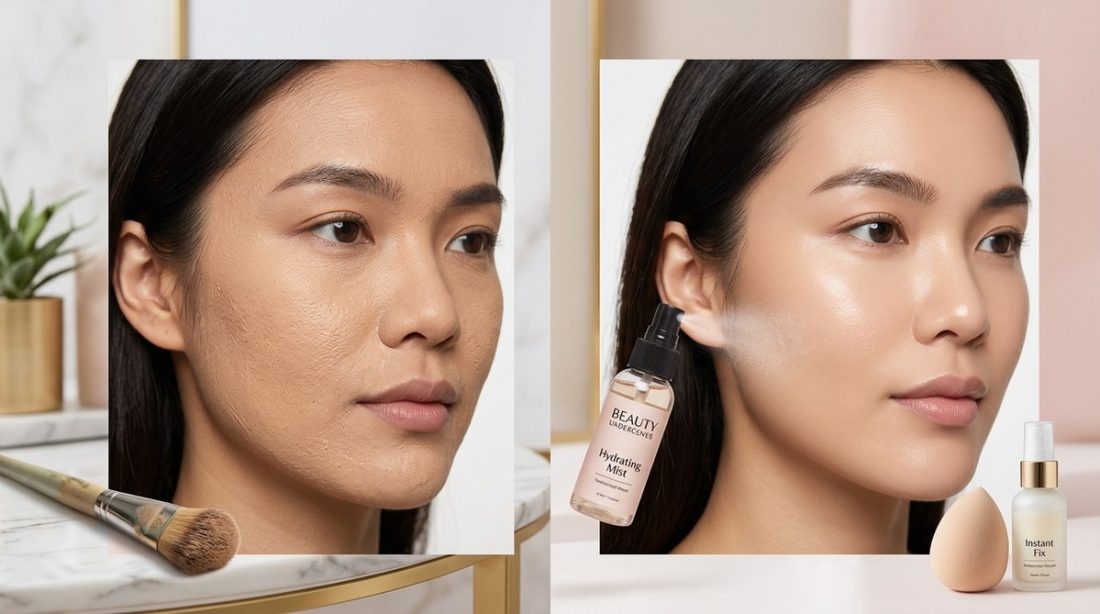
    The glass skin look ruled makeup tutorials and skincare routines for what felt like forever. Dewy, reflective, almost wet-looking skin became the gold standard. But walk into any beauty store or scroll through social media in 2024, and you’ll notice something different. The conversation has shifted.

    Key Takeaway

    The glass skin trend peaked in 2023 but has evolved significantly in 2024. The new preferred finish is “soft blur” or “velvet skin,” featuring a naturally matte, airbrushed appearance without shine or visible texture. This shift reflects a desire for long-lasting, filter-like makeup that photographs well in any lighting while still looking skin-like and breathable rather than overly dewy or reflective.

    What happened to glass skin in 2024

    Glass skin isn’t dead, but it’s definitely not the default anymore. The ultra-dewy, highlighter-heavy look started feeling impractical for everyday wear. People realized that while it looked stunning in carefully lit photos, it didn’t always translate well to real life.

    The shine could read as oily by midday. The products required to maintain that wet look often felt heavy. And in certain lighting, especially harsh office fluorescents or direct sunlight, the reflective quality could emphasize texture rather than hide it.

    By early 2024, beauty creators started pivoting. The comments sections filled with requests for something different. Something that still looked polished but felt more wearable.

    The finish that replaced glass skin

    Enter the soft blur finish, sometimes called velvet skin or cloud skin. This technique creates a naturally matte, airbrushed appearance that mimics what your skin looks like through a subtle filter.

    The key difference? No shine. No visible glow. Just smooth, even-toned skin that looks almost powdery but never cakey. Think of how your skin appears in a professionally retouched photo, where pores are minimized and everything looks impossibly smooth yet still real.

    This finish gained momentum because it solves the practical problems glass skin created:

    • Lasts longer without touch-ups
    • Photographs consistently well in any lighting
    • Works better for oily and combination skin types
    • Doesn’t emphasize texture or large pores
    • Feels lighter and more breathable
    • Transitions seamlessly from day to night

    The soft blur look also aligns with the “no-makeup makeup” aesthetic that’s been building for years. It’s polished without being obviously made up.

    How to achieve the soft blur finish

    Getting this look requires a different approach than glass skin. Here’s the step-by-step process:

    1. Start with a mattifying primer that blurs pores without feeling silicone-heavy.
    2. Apply a medium coverage foundation with a satin or natural finish using a damp beauty sponge.
    3. Set strategically with a finely milled translucent powder, focusing on areas that get oily.
    4. Skip highlighter entirely or use only the tiniest amount on the high points of your face.
    5. Finish with a pore-blurring setting spray that dries down to a soft-focus finish.

    The technique is less about layering moisture and glow products and more about creating an even canvas. You’re essentially building a breathable veil over your skin.

    “The soft blur trend is all about skin that looks perfected but not plastic. You want people to think you have amazing skin, not that you’re wearing a mask of makeup. The goal is natural flawlessness.” — Celebrity makeup artist Katie Chen

    Glass skin vs soft blur: the key differences

    Understanding what sets these finishes apart helps you decide which works better for your needs.

    Aspect Glass Skin Soft Blur
    Finish Reflective, dewy, wet-looking Matte, velvety, airbrushed
    Texture visibility Can emphasize in wrong lighting Minimizes appearance of pores
    Longevity Requires frequent touch-ups Lasts 8+ hours without fading
    Best for skin type Dry, mature skin Oily, combination, textured skin
    Product weight Heavy, multiple layers Light, breathable layers
    Highlight placement Generous, strategic glow Minimal to none
    Photography Stunning in controlled light Consistent in all lighting

    Neither finish is objectively better. They serve different purposes and flatter different skin types. But the shift toward soft blur reflects changing priorities in how we want our makeup to perform.

    Products that create the soft blur effect

    The right products make this finish achievable without professional skills. Look for formulas described as “blurring,” “soft-focus,” “velvet,” or “airbrushed.”

    For primers, silicone-based options still work, but newer formulas use light-reflecting particles and polymers that create a blurred effect without the slippery feel. Brands have released entire lines focused on this aesthetic.

    Foundations matter more than ever. You want something that dries down to a natural matte, not flat or chalky. The coverage should be buildable so you can customize based on your skin’s needs that day.

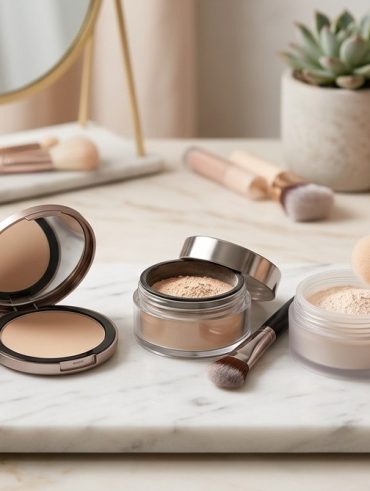
    Setting powders have evolved too. The best ones for this look are ultra-fine and almost invisible on the skin. They shouldn’t look powdery or settle into lines.

    Setting sprays complete the effect. Look for ones that specifically mention pore-blurring or soft-focus benefits. These contain ingredients that create a subtle veil over your makeup, locking everything in place while maintaining that airbrushed appearance.

    Common mistakes when attempting soft blur skin

    Getting this finish wrong can leave you looking flat or overly matte. Here are the pitfalls to avoid:

    Mistake Why It Fails Better Approach
    Using too much powder Creates a cakey, aged appearance Set only where needed, use light hand
    Skipping skincare prep Makeup clings to dry patches Hydrate skin first, let absorb fully
    Wrong foundation formula Dewy formulas won’t blur Choose satin or natural matte finishes
    Over-blending Removes coverage, disrupts blur Use patting motions, minimal rubbing
    Adding shimmer products Breaks the soft-focus illusion Use only matte or satin products

    The soft blur finish walks a fine line. You want matte without looking flat. Smooth without appearing filtered in an obvious way. It takes practice to find the right balance for your skin.

    Who should stick with glass skin

    Not everyone needs to jump on the soft blur trend. Glass skin still has its place, especially for certain skin types and occasions.

    If you have very dry skin, the dewy finish can look more natural and healthy on you. The glow reads as well-moisturized rather than oily. Mature skin also often benefits from the luminosity that glass skin provides, as it can make the complexion look more youthful.

    For special events and professional photography, glass skin still photographs beautifully when lighting is controlled. Wedding makeup, for example, often still leans toward that radiant finish because it looks stunning in professional photos.

    The glass skin aesthetic also works better in cooler, drier climates where the dewiness won’t turn into actual sweat or oil breakthrough. If you live somewhere with low humidity, maintaining the look becomes much easier.

    How the trend evolved on social media

    The shift from glass to blur happened gradually on platforms like Instagram and TikTok. Creators started using phrases like “my skin but better” and “real skin finish” more frequently.

    Makeup tutorials began focusing on longevity and practicality rather than just the initial application. Videos showing how makeup held up after eight hours became more popular than perfect vanity lighting demos.

    The hashtag patterns shifted too. While #glassskin still has millions of posts, #softblur, #cloudskinn, and #velvetskin gained serious traction throughout 2024. The engagement on these newer tags often surpassed the older glass skin content.

    Beauty brands noticed and adjusted their marketing. Product launches in the second half of 2024 heavily featured blurring technology, pore-minimizing benefits, and long-wear claims rather than glow and radiance.

    Adapting the trend to your skin type

    The beauty of the soft blur finish is its flexibility. You can adjust the technique based on your specific skin concerns.

    For oily skin, embrace the matte aspect fully. Use oil-control primers and set generously. Your natural oils will actually help the finish look more skin-like as the day progresses, preventing it from looking too powdery.

    Combination skin benefits from strategic application. Blur and mattify your T-zone while keeping your cheeks slightly more natural. This prevents the flat, one-dimensional look that can happen when you treat your entire face the same way.

    Dry skin requires the most careful approach. Prep with hydrating products and let them fully absorb before applying makeup. Use cream products where possible and set only the areas that need it. Your version of soft blur will have slightly more dimension than someone with oily skin, and that’s perfectly fine.

    Textured skin actually loves this trend. The blurring effect minimizes the appearance of acne scars, large pores, and uneven texture better than glass skin ever did. Just make sure your skincare routine addresses the underlying concerns so you’re not relying solely on makeup.

    Seasonal considerations for both finishes

    Your environment plays a huge role in which finish works better for you at any given time.

    Summer heat and humidity make soft blur the practical choice. The matte finish holds up better against sweat and doesn’t turn into an oil slick by afternoon. Glass skin in summer often requires constant blotting and powder touch-ups.

    Winter dryness can make soft blur look a bit flat if you’re not careful with your skincare prep. This is when glass skin makes a comeback for many people. The extra moisture and glow combat the dull, dehydrated look that winter can bring.

    Spring and fall offer the most flexibility. The moderate temperatures and humidity levels mean both finishes can work beautifully. This is the perfect time to experiment and see which aesthetic you prefer.

    The future of skin finish trends

    Predicting where beauty trends will go is tricky, but patterns suggest we’ll continue moving toward more natural, practical finishes.

    The soft blur aesthetic fits into a larger movement toward makeup that enhances rather than transforms. People want to look like themselves, just slightly perfected. The Instagram face with heavy contouring and obvious makeup has fallen out of favor for everyday wear.

    Technology will play a role too. As phone cameras and social media filters become more sophisticated, people want their real-life appearance to match their digital presence more closely. Soft blur makeup creates that filter-like effect in person.

    Skincare will continue influencing makeup trends. As people invest more in their skin health, they want makeup that showcases their improved skin rather than covering it completely. This supports finishes that look skin-like rather than heavily made up.

    Making the switch from glass to blur

    If you’ve been doing glass skin for years, transitioning to soft blur requires some product and technique adjustments.

    Start by swapping your dewy foundation for one with a natural or satin finish. You don’t need to replace everything at once. This single change makes the biggest difference.

    Add a pore-blurring primer to your routine. This creates the smooth canvas that makes the soft blur effect possible. Apply it after your skincare has fully absorbed.

    Reduce your highlighter usage gradually. If you’re used to a strong glow, going completely matte might feel wrong at first. Try using just a tiny amount on your cheekbones and brow bones, then slowly decrease over time.

    Invest in a good setting powder and learn to use it strategically. This is the product that really locks in the soft blur finish. Focus on your T-zone and any areas that tend to get shiny throughout the day.

    Practice different application techniques. The damp beauty sponge works beautifully for this finish because it presses product into the skin without disturbing the blur. Brushes can sometimes create streaks or unevenness.

    Your skin, your choice

    The glass skin trend served its purpose. It taught us about the importance of skincare, introduced us to new products, and gave us a fresh aesthetic to try. But beauty trends exist to inspire, not dictate.

    The soft blur finish offers something different: practicality, longevity, and a more universally flattering approach to flawless skin. It works with your life rather than requiring constant maintenance. Whether you fully embrace it or cherry-pick elements that work for you, the goal stays the same. Confidence in how your skin looks, regardless of which finish you choose.

  • The Ultimate 10-Minute Morning Skincare Routine for Busy People

    The Ultimate 10-Minute Morning Skincare Routine for Busy People

    You’re already running late. The coffee maker is beeping, your phone is buzzing with notifications, and you still need to get out the door in fifteen minutes. Your skin deserves attention, but who has time for a twelve step routine before sunrise?

    Key Takeaway

    A 10 minute morning skincare routine focuses on five essential steps: cleanse, treat, hydrate, protect, and shield from sun damage. This streamlined approach delivers healthy skin without sacrificing precious morning time. By choosing multi-tasking products and eliminating unnecessary steps, busy professionals can maintain a glowing complexion while still making it to their 9am meeting on time.

    Why Most Morning Routines Fail

    Most skincare routines collapse under their own weight.

    You buy ten products after watching a beauty influencer’s video. You promise yourself you’ll wake up earlier. You last three days before the routine becomes another abandoned resolution.

    The problem isn’t your discipline. It’s the routine itself.

    A sustainable morning skincare routine needs to fit your actual life, not an idealized version where you wake up at 5am with unlimited counter space and zero responsibilities.

    The Five Step Framework

    The Ultimate 10-Minute Morning Skincare Routine for Busy People - Illustration 1

    Here’s what a functional 10 minute morning skincare routine looks like:

    1. Gentle cleanse (90 seconds)
    2. Treatment application (60 seconds)
    3. Hydrating layer (90 seconds)
    4. Eye care (45 seconds)
    5. SPF protection (90 seconds)

    Total active time: 7.5 minutes. The remaining buffer accounts for product absorption and the inevitable interruption when you need to answer a text or check if you turned off the stove.

    Breaking Down Each Step

    Cleanse Without Stripping

    Morning cleansing removes overnight oil buildup, dead skin cells, and any residue from your evening products.

    You don’t need a deep cleanse in the morning. Your face isn’t dirty from sleeping. Save the heavy duty cleansing for nighttime when you’re removing makeup, sunscreen, and environmental pollutants.

    A gentle, pH balanced cleanser does the job. Look for something that rinses clean without leaving your skin tight or squeaky. That squeaky clean feeling actually signals over cleansing, which triggers your skin to produce more oil throughout the day.

    For extremely dry skin types, consider a micellar water on a cotton pad instead. It cleanses without water and saves thirty seconds.

    Treatment Products That Multitask

    This is where you apply active ingredients that address your specific skin concerns.

    For most people, a vitamin C serum works well in the morning. It brightens skin tone, provides antioxidant protection, and plays nicely with sunscreen. Apply it to slightly damp skin for better absorption.

    If you’re dealing with breakouts, a lightweight salicylic acid treatment targets problem areas without drying out your entire face. Dot it only where needed.

    People with sensitive skin might skip actives in the morning entirely and save them for evening. That’s perfectly fine. Morning skincare doesn’t need to be aggressive to be effective.

    “The best skincare routine is the one you’ll actually do. If a product adds stress to your morning, it’s not worth the supposed benefits.” – Board certified dermatologist perspective

    Hydration Layers

    Your skin needs moisture to function properly. Dehydrated skin looks dull, emphasizes fine lines, and produces excess oil to compensate.

    The type of hydrator depends on your skin:

    • Oily skin: Lightweight gel moisturizer or hyaluronic acid serum
    • Dry skin: Cream based moisturizer with ceramides
    • Combination skin: Gel cream hybrid formulas
    • Sensitive skin: Fragrance free lotions with minimal ingredients

    Apply moisturizer to damp skin. This traps water in your skin barrier and helps products absorb faster. Pat, don’t rub. Rubbing creates unnecessary friction and wastes product.

    Eye Area Attention

    The skin around your eyes is thinner and shows fatigue first.

    Eye cream isn’t mandatory, but it helps if you struggle with puffiness, dark circles, or dryness in this area. A small amount goes a long way. Use your ring finger to gently pat product along the orbital bone.

    Caffeine based eye creams reduce puffiness. Vitamin K formulas help with dark circles. Hydrating formulas address fine lines from dehydration.

    If you’re truly pressed for time, your regular moisturizer works fine around the eyes for most people under 30.

    Sun Protection That Doesn’t Suck

    SPF is non negotiable.

    UV damage is the leading cause of premature aging. It breaks down collagen, creates hyperpigmentation, and increases skin cancer risk. Even on cloudy days. Even if you work indoors. Even in winter.

    Modern sunscreens have come a long way from the thick, white, greasy formulas you remember from childhood. Mineral sunscreens now blend clear. Chemical sunscreens feel like lightweight moisturizers.

    For a 10 minute morning skincare routine, consider a moisturizer with built in SPF 30 or higher. This combines two steps and saves time. Just make sure you’re applying enough. Most people under apply sunscreen by half.

    The proper amount for your face is about a quarter teaspoon. That’s more than you think.

    Common Mistakes That Waste Time

    The Ultimate 10-Minute Morning Skincare Routine for Busy People - Illustration 2
    Mistake Why It Slows You Down Better Approach
    Waiting for each product to fully dry Adds 5+ minutes of standing around Apply next product while previous is still slightly damp
    Using too many similar products Layering three hydrating serums is redundant Choose one good product per category
    Complicated application techniques Face massage routines eat up time Save elaborate techniques for weekends
    Products that pill under makeup Forces you to start over Test product compatibility beforehand
    Overly thick textures Take forever to absorb Choose lightweight formulas for morning

    Adapting for Different Skin Types

    Oily and Acne Prone Skin

    Your morning routine should control oil without triggering more production.

    Use a gentle foaming cleanser. Apply a lightweight salicylic acid or niacinamide serum. Follow with an oil free gel moisturizer. Finish with a mattifying sunscreen.

    Avoid heavy creams in the morning. They’ll make you shiny by noon and potentially clog pores.

    Dry and Dehydrated Skin

    Your focus is moisture retention.

    Cleanse with a creamy, non foaming formula or micellar water. Apply a hydrating serum with hyaluronic acid. Layer a rich moisturizer while skin is damp. Use a moisturizing sunscreen, not a matte formula.

    Consider adding a facial oil before moisturizer if you have extremely dry skin. Two drops mixed into your moisturizer adds richness without extra time.

    Sensitive and Reactive Skin

    Less is more for sensitive skin types.

    Keep your routine minimal. Use fragrance free, hypoallergenic products. Skip active ingredients in the morning. Focus on gentle cleansing, basic hydration, and mineral sunscreen.

    Mineral sunscreens with zinc oxide or titanium dioxide are less likely to irritate than chemical filters.

    Combination Skin

    You need balance.

    Use a gentle gel cleanser. Apply treatment products only where needed (vitamin C on dry areas, salicylic acid on oily zones). Choose a lightweight moisturizer. Finish with a universal sunscreen that works for all areas.

    Don’t feel obligated to use the same products on your entire face. Your T zone and cheeks have different needs.

    Product Selection Strategy

    You don’t need expensive products for an effective routine.

    What matters more than price:

    • Texture: Products should feel pleasant and absorb within 60 seconds
    • Stability: Packaging that protects active ingredients (opaque bottles for vitamin C)
    • Compatibility: Products that layer well without pilling
    • Realistic claims: Brands that don’t promise miracles

    Read ingredient lists, not marketing copy. A $15 drugstore moisturizer with ceramides and hyaluronic acid often performs identically to a $150 luxury version with the same ingredients.

    Test new products one at a time. If you change everything at once and get a reaction, you won’t know what caused it.

    Time Saving Hacks

    These small adjustments shave minutes off your routine:

    • Keep products in order of application so you don’t waste time searching
    • Use pump bottles instead of jars (no unscrewing lids or digging with fingers)
    • Apply skincare before getting dressed to avoid collar stains
    • Set out products the night before
    • Use a headband to keep hair back instead of constantly tucking it behind ears
    • Keep a backup of essentials so you never run out mid week

    Some people prefer doing skincare before brushing teeth. Others do it after. Find what flows naturally in your existing morning sequence.

    When to Modify Your Routine

    Your skin changes with seasons, stress, hormones, and age.

    Summer might require lighter textures and more frequent sunscreen reapplication. Winter often needs richer moisturizers. Hormonal breakouts might need temporary spot treatments.

    Pay attention to how your skin feels by midday. If you’re oily by lunch, your morning moisturizer is too heavy. If you’re tight and uncomfortable, you need more hydration.

    Adjust one product at a time. Give changes at least two weeks before deciding if they work.

    Building the Habit

    Consistency matters more than perfection.

    You’ll have mornings where you only manage cleanser and sunscreen. That’s fine. Two steps done consistently beat seven steps done sporadically.

    Set yourself up for success:

    • Start with just three products (cleanser, moisturizer, SPF)
    • Add additional steps only after the basics become automatic
    • Use your phone’s timer to track how long steps actually take
    • Celebrate small wins (a full week of daily SPF deserves recognition)

    Missing a day doesn’t erase your progress. Just start again the next morning.

    Your Skin in Ten Minutes

    A 10 minute morning skincare routine isn’t about cramming a full spa experience into limited time. It’s about identifying what your skin actually needs and delivering it efficiently.

    You don’t need twenty products. You need the right five products applied consistently. You don’t need an hour. You need ten focused minutes.

    Your skin will look better. Your mornings will feel calmer. And you’ll still make it out the door on time with coffee in hand and a face that’s ready for whatever the day brings.

  • How to Build a Luxury Skincare Routine Without Breaking the Bank

    How to Build a Luxury Skincare Routine Without Breaking the Bank

    You don’t need a trust fund to get glowing skin. The beauty industry wants you to believe that only $200 serums and $150 creams deliver results, but that’s simply not true. With the right knowledge and strategy, you can build a luxury skincare routine on a budget that rivals any celebrity’s bathroom shelf.

    Key Takeaway

    Building a luxury skincare routine on a budget requires strategic spending, not sacrifice. Focus on key actives where they matter most, use samples and trial sizes to test expensive products, shop during sales, and choose affordable dupes for secondary steps. Prioritize serums and treatments over cleansers and toners, where premium ingredients make the biggest difference to your skin.

    Understanding where luxury actually matters

    Not every step in your routine needs a luxury price tag.

    Cleansers wash down the drain within 60 seconds. Spending $80 on a face wash means you’re literally flushing money away. The same goes for most toners and makeup removers. These products do their job and leave.

    Serums, treatments, and moisturizers stay on your skin for hours. This is where active ingredients work their magic. This is where luxury formulations actually make a difference.

    A $15 gentle cleanser works just as well as a $65 one. But a well-formulated vitamin C serum or retinol treatment? That’s where quality ingredients and stable formulations justify higher prices.

    The secret is knowing which products deserve your budget and which don’t.

    The strategic approach to premium products

    How to Build a Luxury Skincare Routine Without Breaking the Bank - Illustration 1

    Here’s how to allocate your skincare budget like a pro:

    1. Invest in one or two hero products with proven actives
    2. Choose affordable options for basic steps like cleansing and toning
    3. Use samples and minis to test expensive items before committing
    4. Wait for sales and sets to purchase luxury items at reduced prices
    5. Research affordable alternatives that use similar ingredient profiles

    This approach lets you experience luxury formulations where they count most, without draining your bank account on every single bottle.

    Think of it like cooking. You buy premium olive oil because it’s the star ingredient. But you don’t need artisanal sea salt for pasta water. Same principle applies to skincare.

    Sample strategies that actually work

    Luxury brands practically give away their products if you know where to look.

    Department store beauty counters offer samples freely. Walk up to any Sephora, Nordstrom, or specialty beauty store and ask for samples of products you’re considering. Most associates will happily provide three to five samples per visit.

    Online orders often include deluxe samples. Brands like Dermstore, Cult Beauty, and Sephora let you choose samples at checkout. Order strategically during promotions and you’ll accumulate a surprising stash.

    Beauty subscription boxes provide luxury minis at fraction of retail cost. Services like Allure Beauty Box or Sephora Play regularly feature high-end brands in travel sizes. You get to try $300 worth of products for $25.

    Birthday gifts from loyalty programs add up. Sign up for free rewards programs at Sephora, Ulta, and individual brand websites. You’ll receive birthday gifts, early sale access, and bonus point events throughout the year.

    “I haven’t purchased a full-size luxury cleanser in three years. Between samples, minis from sets, and subscription boxes, I always have premium options on hand. I save my budget for the serums and treatments that actually transform my skin.” – Sarah Chen, beauty editor

    Finding legitimate luxury dupes

    How to Build a Luxury Skincare Routine Without Breaking the Bank - Illustration 2

    The dupe market has matured significantly. You can now find affordable alternatives that genuinely match luxury performance.

    Research ingredient lists, not just marketing claims. If a $200 serum’s main actives are niacinamide and hyaluronic acid, you can find those same ingredients in $30 products. The Ordinary, The Inkey List, and Good Molecules built entire brands on this principle.

    Look for similar textures and experiences. Sometimes the luxury feel matters for your routine enjoyment. Brands like CeraVe, La Roche-Posay, and Eucerin offer elegant formulations at drugstore prices.

    Pay attention to concentration and formulation stability. A cheap vitamin C product that oxidizes in two weeks isn’t a bargain. Read reviews from people who’ve used products long-term.

    Luxury Product Type Smart Alternative Strategy Expected Savings
    Cleansing balm Oil-based drugstore cleanser 60-70%
    Vitamin C serum The Ordinary or Timeless formulas 75-85%
    Hyaluronic acid Hada Labo or The Inkey List 70-80%
    Retinol cream Prescription tretinoin or CeraVe retinol 50-90%
    Gentle cleanser CeraVe or Cetaphil 65-75%
    Niacinamide serum The Ordinary or Good Molecules 80-90%

    Timing your luxury purchases

    Sales cycles are predictable in beauty retail.

    Black Friday and Cyber Monday offer 20-30% off sitewide at most luxury retailers. This is when you stock up on expensive hero products you’ve already tested.

    Friends and family sales happen twice yearly at Sephora and similar stores. Rouge members get 20% off, VIB gets 15%, and Insider gets 10%. Plan major purchases around these events.

    Holiday sets provide exceptional value. A $75 set containing $150 worth of products is common during November and December. You get full sizes or generous deluxe samples of bestsellers.

    Post-holiday clearance in January means sets drop to 50-75% off. You might not get the fancy packaging, but the products inside are identical.

    Brand anniversary sales and website launches offer exclusive discounts. Follow your favorite luxury brands on social media to catch these limited-time offers.

    Building your budget luxury routine

    How to Build a Luxury Skincare Routine Without Breaking the Bank - Illustration 3

    Here’s a realistic routine that delivers luxury results without luxury prices:

    Morning routine:
    – Affordable gentle cleanser: $12-18
    – Luxury vitamin C serum (sample or mini): $0-35
    – Drugstore moisturizer with SPF: $15-25
    – Total: $27-78

    Evening routine:
    – Same affordable cleanser: included above
    – Prescription retinoid or affordable retinol: $10-40
    – Budget-friendly hyaluronic acid: $8-15
    – Richer night cream (luxury mini or dupe): $15-45
    – Total additional: $33-100

    Your complete routine costs $60-178 for products that last three to six months. Compare that to an all-luxury routine at $500-800 for the same period.

    The results? Virtually identical if you’ve chosen your actives wisely.

    Loyalty programs worth joining

    Free programs offer surprising luxury access.

    Sephora Beauty Insider has three tiers. Even the free Insider level gets birthday gifts, sale access, and reward redemptions. Rouge status (after $1,000 annual spending) adds free shipping and early product launches.

    Ulta Rewards converts every dollar to points. Their platinum tier offers 1.25 points per dollar and generous bonus point events. Points convert to actual dollars off any purchase.

    Brand-specific programs often outperform retailer programs. Clinique, Estée Lauder, and La Mer offer exclusive gifts, samples, and discounts to direct customers.

    Credit card rewards can fund beauty purchases. Some cards offer 3-5% back at drugstores or department stores. That’s free money toward your skincare budget.

    What deserves your splurge budget

    How to Build a Luxury Skincare Routine Without Breaking the Bank - Illustration 4

    Some products genuinely perform better at luxury price points.

    Retinol and retinoid products benefit from superior stabilization in high-end formulations. Brands like SkinCeuticals, Drunk Elephant, and Sunday Riley invest heavily in keeping these temperamental ingredients effective.

    Vitamin C serums require precise pH and packaging. While affordable options exist, luxury brands often deliver more stable, longer-lasting formulations.

    Sunscreen technology advances fastest in premium products. Asian beauty brands like Shiseido and Sulwhasoo offer elegant, cosmetically beautiful SPF products worth the investment.

    Eye creams with peptides and growth factors show real differences between luxury and budget. The concentration and quality of these expensive ingredients varies significantly by price point.

    Specialty treatments for specific concerns (hyperpigmentation, rosacea, severe aging) often justify luxury prices through clinical testing and proven results.

    Mistakes that waste your budget

    Avoid these common traps:

    • Buying full sizes before testing compatibility with your skin
    • Purchasing products because influencers promote them
    • Collecting too many similar products instead of using what you have
    • Ignoring expiration dates and letting products oxidize
    • Skipping SPF while investing in expensive anti-aging treatments
    • Buying luxury cleansers and toners while skimping on serums

    The biggest mistake? Thinking expensive automatically means better. Plenty of luxury products contain mostly marketing and pretty packaging. Learn to read ingredient lists and you’ll never overpay again.

    Making luxury last longer

    How to Build a Luxury Skincare Routine Without Breaking the Bank - Illustration 5

    Proper storage extends product life significantly.

    Keep vitamin C and retinol in cool, dark places. Bathroom humidity and light degrade these actives rapidly. Some people store these in the refrigerator.

    Use the right amount. Most serums need only 2-3 drops per application. More doesn’t mean better results, just faster empty bottles.

    Pump bottles preserve formulas better than jars. If your luxury cream comes in a jar, consider transferring it to an airless pump container.

    Layer products from thinnest to thickest consistency. This ensures each product absorbs properly, maximizing effectiveness and preventing waste.

    Close lids tightly and avoid introducing bacteria. Clean hands or a spatula prevent contamination that shortens product life.

    Your path to affordable luxury skin

    You now have the blueprint for premium skincare without premium prices.

    Start by identifying which products in your current routine actually need upgrading. Maybe it’s a more effective vitamin C serum or a retinol that doesn’t irritate. Focus your budget there.

    Join loyalty programs today, even if you’re not ready to purchase. Start accumulating points and birthday gifts immediately.

    Request samples of any luxury product before buying full size. Test for at least two weeks to ensure compatibility.

    Set sale alerts for your wishlist items. Apps like Honey or browser extensions track price drops automatically.

    Remember that consistency matters more than cost. A $30 routine used daily beats a $300 routine sitting unused because you’re afraid to “waste” expensive products.

    Your skin doesn’t read price tags. It responds to effective ingredients, proper application, and consistent care. Give it those things, and you’ll achieve the luxury glow you’re after, regardless of what you spent.

  • I Tested 15 Drugstore Foundations Under $15 and These 5 Are Actually Worth It

    I Tested 15 Drugstore Foundations Under $15 and These 5 Are Actually Worth It

    You don’t need to spend $50 on foundation to get a flawless base. Some of the best drugstore foundations perform just as well as their luxury counterparts, and I’ve tested enough of both to know the difference. After trying 15 affordable options, I found five that genuinely deliver on coverage, wear time, and finish without breaking the bank.

    Key Takeaway

    Drugstore foundations under $15 can match high-end performance when you know what to look for. The top five formulas offer buildable coverage, long wear, and diverse shade ranges. Success depends on matching formula type to your skin type, testing undertones in natural light, and using proper application techniques for your chosen finish.

    What makes a drugstore foundation actually good

    Price doesn’t determine quality anymore. The gap between drugstore and prestige foundations has narrowed dramatically over the past five years.

    Good foundation does three things well. It matches your skin tone accurately, wears comfortably for at least eight hours, and looks natural in different lighting conditions.

    The best affordable options now include skin-loving ingredients. Hyaluronic acid, niacinamide, and SPF appear in formulas that cost less than a lunch out. These additions mean your base makeup can actually benefit your skin instead of just sitting on top of it.

    Shade range matters more than brand prestige. A $12 foundation with 40 shades beats a $45 option with only 12 colors. You need to find your actual match, not settle for “close enough.”

    The five foundations that passed every test

    I Tested 15 Drugstore Foundations Under $15 and These 5 Are Actually Worth It - Illustration 1

    After wearing each formula for full days in different conditions, these five stood out consistently.

    Maybelline Fit Me Matte + Poreless works for oily and combination skin types. The formula controls shine for up to 10 hours without looking cakey or settling into pores. It builds from light to medium coverage and blends easily with fingers, sponge, or brush. The shade range includes 40 options with proper undertone variety.

    L’Oréal Infallible Pro-Matte delivers the longest wear time of any drugstore foundation I’ve tested. This one survives humid weather, long commutes, and full workdays. The coverage sits at medium to full, making it ideal for covering acne scars or hyperpigmentation. It does dry down completely, so you need to work in sections and blend fast.

    Revlon ColorStay for Combination/Oily Skin has earned its cult status for good reason. The formula photographs beautifully, which matters if you take a lot of selfies or attend events. It offers buildable medium coverage that looks like skin, not makeup. The pump bottle ensures you don’t waste product or contaminate the formula.

    CoverGirl Clean Fresh Skin Milk feels lightweight and works perfectly for dry or normal skin. This foundation contains hyaluronic acid and gives a dewy, hydrated finish. The coverage is light to medium, best for evening out skin tone rather than covering major imperfections. It layers well over skincare and under powder without pilling.

    NYX Can’t Stop Won’t Stop bridges the gap between drugstore and mid-range performance. The formula resists transfer, stays put through sweat, and maintains its finish without oxidizing. It provides full coverage that you can sheer out by mixing with moisturizer. The 45-shade range includes options for very fair and very deep skin tones.

    Matching foundation formula to your skin type

    Your skin’s needs should dictate which formula you choose, not trends or marketing claims.

    Skin Type Best Formula Finish to Look For Ingredients to Avoid
    Oily Matte, oil-free Natural matte or semi-matte Heavy oils, silicones at top of list
    Dry Hydrating, luminous Dewy or radiant Alcohol, mattifying powders
    Combination Satin or natural Skin-like, adaptable Extremely matte or extremely dewy
    Sensitive Fragrance-free, minimal ingredients Any, based on preference Fragrance, essential oils, dyes
    Mature Hydrating with light-reflecting particles Radiant or satin Matte formulas that emphasize texture

    Oily skin needs formulas that control sebum without stripping. Look for oil-free bases with ingredients like salicylic acid or niacinamide. These foundations should feel lightweight and set to a powder finish within a few minutes.

    Dry skin requires hydration throughout the day. Foundations with hyaluronic acid, glycerin, or squalane prevent that tight, uncomfortable feeling. Skip anything labeled “long-wear” or “24-hour” as these usually contain more film-formers that can emphasize dry patches.

    Combination skin benefits from adaptable formulas. These foundations balance oil control in the T-zone while providing enough moisture for drier areas. Satin finishes work best because they don’t look flat or overly shiny.

    Sensitive skin needs simple formulas. Fewer ingredients mean fewer potential irritants. Avoid foundations with fragrance, even natural ones, as these cause reactions more often than any other ingredient category.

    Mature skin looks best with hydrating formulas that contain light-reflecting particles. These foundations settle into fine lines less noticeably and give skin a healthy glow. Avoid anything too matte, as it can make skin look flat and emphasize texture.

    How to test foundation shades properly

    I Tested 15 Drugstore Foundations Under $15 and These 5 Are Actually Worth It - Illustration 2

    Most people test foundation wrong, which leads to bad matches and wasted money.

    1. Swatch three shades on your jawline, not your hand or wrist.
    2. Step outside in natural light and check which shade disappears into your skin.
    3. Wait 10 minutes to see if the formula oxidizes or changes color.
    4. Check the match in different lighting conditions before buying.

    Your hand is typically several shades different from your face. Testing there guarantees a mismatch. Your jawline provides the most accurate testing spot because it shows how the foundation will blend into your neck.

    Natural light reveals the truth about foundation matches. Artificial store lighting makes everything look different, usually better than reality. Take a small mirror outside or stand near a window to see the real color.

    Oxidation happens when foundation reacts with your skin’s natural oils. Some formulas darken by one or two shades after 10 minutes of wear. Testing for this prevents buying a foundation that looks perfect in-store but turns orange an hour later.

    Different lighting shows different undertones. A foundation that looks great in your bathroom might look gray in office fluorescents or yellow in evening light. Test in multiple settings if possible, or at least be aware of where you’ll wear it most.

    A perfect foundation match should be invisible on your jawline in natural light. If you can see where it ends and your neck begins, the shade is wrong. Your foundation should match your neck, not your face, especially if you have redness or discoloration you’re trying to even out.

    Application techniques that maximize drugstore formulas

    How you apply foundation matters as much as which formula you choose.

    Start with properly prepped skin. Moisturizer should absorb for at least five minutes before foundation application. Primer helps but isn’t mandatory if your moisturizer works well with your foundation.

    Use the right tool for your formula. Matte foundations blend best with damp beauty sponges. Dewy formulas work beautifully with brushes or fingers. Full-coverage options need stippling motions rather than sweeping.

    Build coverage gradually instead of applying a thick layer at once. One thin layer looks more natural than one heavy application. You can always add more where needed, but removing excess creates a messy situation.

    Set strategically, not everywhere. Powder only the areas that get oily, typically the T-zone. Setting your entire face can make foundation look cakey and emphasize dry patches.

    Common mistakes that make cheap foundation look cheap

    I Tested 15 Drugstore Foundations Under $15 and These 5 Are Actually Worth It - Illustration 3

    These errors make even good drugstore foundations perform poorly.

    Using too much product is the biggest mistake. Foundation should enhance your skin, not mask it completely. Start with a pea-sized amount for your entire face and add more only where needed.

    Skipping skincare creates a poor canvas. Foundation clings to dry patches, settles into dehydrated fine lines, and slides off oily skin. Your skincare routine directly impacts how your foundation wears.

    Applying foundation to dirty tools transfers bacteria and old makeup back onto your face. This causes breakouts and makes application patchy. Wash sponges after every use and brushes weekly.

    Ignoring undertones leads to foundations that look orange, pink, or gray. Cool undertones need pink or neutral bases. Warm undertones need yellow or golden bases. Neutral undertones can wear most shades but still need to avoid extremes.

    Expecting one foundation to work year-round sets you up for disappointment. Your skin changes with seasons, hormones, and environment. Many people need two shades: one for summer when skin tans slightly, one for winter when skin is paler.

    Extending wear time without buying setting sprays

    You don’t need expensive setting products to make drugstore foundation last all day.

    Skincare layering creates natural longevity. Apply products from thinnest to thickest consistency. Let each layer absorb before adding the next. This prevents pilling and helps foundation adhere better.

    Blotting papers remove excess oil without disturbing makeup. Press gently on shiny areas instead of rubbing. This technique works better than powder for maintaining your foundation’s original finish.

    Strategic touch-ups beat full reapplication. Carry your foundation and a small brush or sponge. Dab tiny amounts only where needed rather than adding layers everywhere.

    The right moisturizer acts as a primer. Gel moisturizers work under matte foundations. Cream moisturizers pair well with dewy formulas. Matching your skincare texture to your foundation type improves wear automatically.

    When to replace your foundation

    Foundation doesn’t last forever, even if the bottle isn’t empty.

    Most foundations expire 12 months after opening. Check the small jar symbol on the packaging with a number inside. That number indicates how many months the product stays good after you first use it.

    Separation that doesn’t remix means the formula has broken down. Some separation is normal, but if shaking doesn’t recombine the product, it’s done.

    Smell changes indicate bacterial growth or ingredient degradation. Foundation should smell neutral or slightly like its original scent. Any sour, chemical, or strong odor means it’s time to toss it.

    Texture changes affect performance. Foundation that becomes thicker, thinner, or grainy won’t apply smoothly. These changes happen faster if you store foundation in hot or humid environments.

    Color shifts make matching impossible. If your foundation looks darker, lighter, or more orange than when you bought it, the pigments have oxidized beyond use.

    Why these five beat the other ten

    The foundations that didn’t make the cut failed in specific ways.

    Some oxidized dramatically, turning two shades darker within an hour. Others separated on the skin, creating patchy areas by midday. A few had shade ranges so limited that most people couldn’t find a match.

    Texture issues eliminated several contenders. Foundations that felt heavy, looked cakey, or emphasized pores didn’t earn recommendations. Comfortable wear matters more than impressive initial coverage.

    Longevity testing revealed weaknesses. Foundations that faded, transferred onto clothes, or required constant touch-ups couldn’t compete with options that stayed put for eight-plus hours.

    The best drugstore foundations perform consistently across different skin types and conditions. They work in various climates, photograph well, and layer nicely with other products. The five winners checked all these boxes reliably.

    Building your foundation routine around budget picks

    You can create a complete base routine using only affordable products.

    • Cleanse and moisturize properly before any makeup application
    • Apply sunscreen and wait five minutes for it to set
    • Use color corrector only on areas with significant discoloration
    • Apply foundation where needed, not necessarily everywhere
    • Conceal after foundation to use less product overall
    • Set with powder only in areas prone to oiliness
    • Finish with a light mist of water to meld everything together

    This routine works whether your foundation costs $8 or $80. The steps remain the same because good technique matters more than product price.

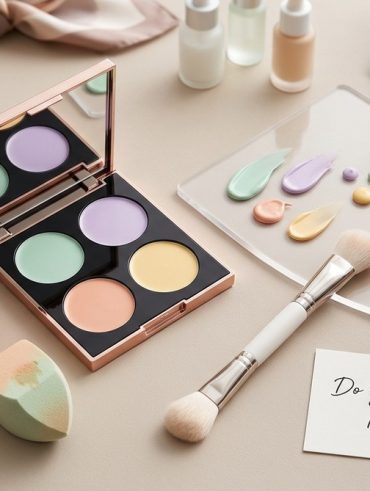
    Color correcting before foundation reduces how much coverage you need. Peach corrector neutralizes dark circles. Green corrector tones down redness. Using these strategically means your foundation can be lighter and more natural.

    Concealing after foundation is more efficient. You can see exactly where you need extra coverage instead of guessing. This prevents the heavy, made-up look that comes from too many layers.

    Your affordable foundation deserves proper storage

    How you store foundation affects its performance and lifespan.

    Keep foundation away from heat and direct sunlight. Bathroom counters near windows or radiators degrade formulas faster. A drawer or cabinet maintains more stable temperatures.

    Store bottles upright to prevent leaking and maintain proper product consistency. Laying foundation on its side can cause separation and make pumps malfunction.

    Wipe bottle necks and caps after each use. Dried foundation around openings introduces air and bacteria into the formula. Clean bottles also make it easier to see how much product remains.

    Avoid storing foundation in your car. Temperature fluctuations from hot days and cold nights break down ingredients rapidly. Keep a separate touch-up product in your bag if needed.

    Finding your perfect match takes patience

    The best drugstore foundation for you might not be someone else’s favorite. Your skin type, tone, concerns, and preferences all factor into which formula works best.

    Test one foundation at a time instead of buying several at once. Wear it for at least three full days in different conditions before deciding. Return policies at most drugstores let you exchange products that don’t work.

    Take photos in various lighting to see how foundation photographs. Natural light, fluorescent office lighting, and evening indoor light all reveal different aspects of how a foundation looks.

    Ask for samples when possible, though drugstores offer fewer than beauty retailers. Some brands provide small sample cards or will make returns easy if you’re unsure.

    Build a relationship with store staff who can track your purchases and preferences. They often know which formulas work for specific concerns and can alert you to new releases or sales.

    Making drugstore foundation work as well as luxury

    The application and preparation matter more than the price tag on the bottle.

    Invest in good tools even if you save on foundation. A quality beauty sponge or foundation brush improves application dramatically. These tools last months with proper care and make every foundation perform better.

    Learn your face’s specific needs. Some areas need more coverage while others need barely any. Customizing application to your face creates a more polished result than applying the same amount everywhere.

    Practice blending techniques that suit your chosen formula. Matte foundations need different motions than dewy ones. Full-coverage formulas require more buffing than sheer tints.

    Mix foundations to create your perfect shade or formula. Combining a too-light and too-dark shade gets you an exact match. Mixing a matte and dewy formula creates a custom satin finish.

    Your foundation should make you feel confident

    Foundation exists to enhance your natural skin, not hide it completely. The best drugstore foundations let your skin show through while evening tone and covering concerns.

    Confidence comes from knowing your foundation will last through your day. Whether you’re at work, running errands, or attending events, reliable base makeup removes one worry from your mind.

    Affordable options mean you can experiment without guilt. Try different finishes, coverage levels, and formulas to learn what you truly prefer. This experimentation teaches you more about makeup than sticking with one expensive product forever.

    The five foundations highlighted here offer genuine quality at accessible prices. They prove that smart shopping and good technique matter more than spending a lot. Your perfect foundation is probably sitting on a drugstore shelf right now, waiting for you to find it.

  • What Does Niacinamide Really Do for Your Skin?

    What Does Niacinamide Really Do for Your Skin?

    You’ve probably seen niacinamide listed on dozens of serums, moisturizers, and toners. It’s everywhere right now, and for good reason. This ingredient has solid research backing its ability to improve multiple skin concerns at once. But what does it actually do once you apply it? And is it really worth the hype?

    Key Takeaway

    Niacinamide is a form of vitamin B3 that strengthens your skin barrier, regulates oil production, reduces hyperpigmentation, and minimizes pores. It works for most skin types and concerns, from acne to aging. Concentrations between 2% and 10% show the best results, with visible improvements typically appearing after 4 to 12 weeks of consistent use.

    How niacinamide works in your skin

    Niacinamide is a water-soluble vitamin that your skin cells convert into coenzymes. These coenzymes power hundreds of cellular processes that keep your skin healthy and functioning properly.

    Your skin uses niacinamide to build ceramides and other lipids that form your moisture barrier. A stronger barrier means less water loss and better protection against irritants, pollution, and bacteria.

    It also regulates the enzymes that control sebum production. This means your skin produces oil at a more balanced rate, which helps prevent both dryness and excessive shine.

    The ingredient works on melanin transfer too. It slows down the movement of pigment from melanocytes to skin cells, which helps fade existing dark spots and prevents new ones from forming.

    Benefits you can actually see

    What Does Niacinamide Really Do for Your Skin? - Illustration 1

    Niacinamide addresses multiple skin concerns simultaneously. That’s part of why dermatologists recommend it so often.

    Smaller-looking pores

    Pores don’t actually open and close, but they can appear larger when they’re clogged or when your skin produces excess oil. Niacinamide reduces sebum production and helps keep pores clear, which makes them look visibly smaller over time.

    Studies show that 2% niacinamide applied twice daily for 4 weeks reduces the appearance of pore size. Most users notice this change within the first month.

    Fading dark spots and uneven tone

    Hyperpigmentation from acne, sun damage, or melasma responds well to niacinamide. The ingredient interferes with melanin transfer, gradually lightening dark patches.

    You’ll typically see improvements after 8 to 12 weeks of daily use. The spots won’t vanish overnight, but they do fade noticeably with patience.

    Stronger moisture barrier

    A compromised skin barrier leads to sensitivity, dryness, and increased water loss. Niacinamide boosts ceramide production, which reinforces the barrier and helps your skin retain moisture better.

    People with eczema, rosacea, or generally sensitive skin often see significant improvements in their skin’s resilience and comfort level.

    Less redness and inflammation

    Niacinamide has anti-inflammatory properties that calm irritated skin. It reduces the production of inflammatory markers and helps soothe redness from conditions like acne or rosacea.

    Many users report that their skin looks calmer and less reactive after adding niacinamide to their routine.

    Reduced fine lines and wrinkles

    Niacinamide stimulates collagen production and improves skin elasticity. While it’s not as powerful as retinol for anti-aging, it does help smooth out fine lines and improve overall skin texture.

    A 2005 study found that 5% niacinamide reduced fine lines and wrinkles after 12 weeks of use. The results are subtle but measurable.

    Controlled oil production

    If your face gets shiny by midday, niacinamide can help. It regulates sebaceous gland activity, which means your skin produces a more balanced amount of oil throughout the day.

    This benefit shows up within 2 to 4 weeks for most people. Your skin won’t feel stripped or dry, just more balanced.

    Who should use niacinamide

    Almost everyone can benefit from this ingredient. It’s gentle enough for sensitive skin and effective across different skin types and concerns.

    Best for:

    • Oily or combination skin dealing with enlarged pores
    • Anyone with acne scars or post-inflammatory hyperpigmentation
    • People experiencing early signs of aging
    • Sensitive skin that reacts to stronger actives
    • Those dealing with redness or rosacea
    • Anyone wanting to strengthen their moisture barrier

    The ingredient works well whether you’re 25 or 55. It’s one of the few actives that truly suits most people.

    How to use niacinamide properly

    Getting the most from niacinamide means using it correctly and consistently.

    1. Start with a concentration between 2% and 5% if you have sensitive skin. Most people tolerate 10% without issues, but there’s no need to go higher.
    2. Apply it after cleansing and toning but before heavier creams. Serums absorb best on slightly damp skin.
    3. Use it twice daily for optimal results. Morning and evening application gives you the full benefit.
    4. Wait at least 4 weeks before judging results. Some benefits appear sooner, but give it time to work.
    5. Pair it with sunscreen during the day. Niacinamide helps prevent sun damage, but it doesn’t replace SPF.

    You can layer niacinamide with most other ingredients. It plays well with hyaluronic acid, peptides, retinol, and vitamin C.

    “Niacinamide is one of the most versatile and well-tolerated ingredients in skincare. It’s rare to find something that addresses so many concerns without causing irritation. I recommend it to patients dealing with everything from acne to aging.”

    Common mistakes to avoid

    Even though niacinamide is gentle, people still make errors that reduce its effectiveness.

    Mistake Why it matters Better approach
    Using too high a concentration initially Can cause mild irritation or flushing Start with 5% and increase if needed
    Expecting overnight results Benefits take weeks to appear Commit to 8-12 weeks of daily use
    Mixing with very low pH products immediately May reduce stability (though this is debated) Apply vitamin C in the morning, niacinamide at night, or wait 10 minutes between
    Skipping sunscreen Sun damage counteracts brightening benefits Always wear SPF 30 or higher during the day
    Using expired products Niacinamide can degrade over time Check expiration dates and store properly

    Combining niacinamide with other actives

    One of niacinamide’s biggest advantages is how well it works with other ingredients.

    Works great with:

    • Hyaluronic acid for extra hydration
    • Retinol or retinoids for anti-aging
    • Vitamin C for brightening (despite old myths about incompatibility)
    • AHAs and BHAs for exfoliation
    • Peptides for firmness
    • Sunscreen for protection

    You can use niacinamide in the same routine as these ingredients. Just apply water-based products before oil-based ones, and give each layer a minute to absorb.

    The only real caution is with very acidic products. Some dermatologists suggest waiting 10 minutes between applying a low-pH exfoliant and niacinamide, though recent research suggests this concern is overstated.

    What concentration works best

    Research shows benefits at concentrations ranging from 2% to 10%. More isn’t necessarily better.

    Studies demonstrating pore reduction used 2% niacinamide. Research on hyperpigmentation often used 4% to 5%. Anti-aging studies typically tested 5%.

    Most commercial products contain 5% to 10%. These concentrations work well for most people without causing irritation.

    If you have very sensitive skin, start with 2% to 5%. You can always increase later if your skin tolerates it well.

    Concentrations above 10% don’t show additional benefits and may increase the risk of flushing or irritation.

    How long until you see results

    Different benefits appear at different times.

    Timeline breakdown:

    • Oil control: 2 to 4 weeks
    • Pore appearance: 4 to 6 weeks
    • Redness reduction: 4 to 8 weeks
    • Dark spot fading: 8 to 12 weeks
    • Fine line improvement: 12+ weeks
    • Barrier strengthening: 4 to 8 weeks

    Consistency matters more than anything else. Using niacinamide sporadically won’t give you the same results as daily application.

    Take progress photos at the start and then monthly. Changes happen gradually, and photos help you see improvements you might otherwise miss.

    Possible side effects

    Niacinamide is extremely well-tolerated, but a small percentage of people experience mild reactions.

    The most common side effect is temporary flushing or warmth, especially at concentrations above 10%. This usually subsides within 20 minutes and often disappears as your skin adjusts.

    Some people notice mild tingling on first use. This typically means your skin barrier is compromised. The sensation should decrease as the ingredient strengthens your barrier.

    True allergic reactions are rare but possible. If you develop hives, severe redness, or swelling, stop using the product and consult a dermatologist.

    Patch test new products on your inner arm or behind your ear for 24 hours before applying to your face.

    Choosing the right product

    Niacinamide appears in serums, moisturizers, toners, and even cleansers. Serums typically deliver the highest concentration and best penetration.

    Look for products that list niacinamide (or nicotinamide) within the first five ingredients. This indicates a meaningful concentration.

    Check for complementary ingredients like hyaluronic acid, ceramides, or antioxidants. These enhance niacinamide’s benefits.

    Avoid products with long lists of potential irritants if you have sensitive skin. Fragrance, essential oils, and alcohol can counteract niacinamide’s calming effects.

    Packaging matters too. Opaque bottles or airless pumps protect the ingredient from light and air, which can degrade it over time.

    Why niacinamide deserves a spot in your routine

    This ingredient has earned its popularity through decades of research and real-world results. It’s gentle enough for daily use, works across skin types, and addresses multiple concerns without the irritation that comes with stronger actives.

    You don’t need a complicated routine to see benefits. A simple niacinamide serum applied morning and night, paired with a good moisturizer and sunscreen, can significantly improve your skin over a few months.

    The key is consistency. Give it at least two months of daily use before deciding whether it works for you. Most people find that niacinamide becomes a permanent fixture in their skincare routine once they see the gradual but noticeable improvements it delivers.

  • How to Make Your Perfume Last All Day: 10 Expert Application Tips

    How to Make Your Perfume Last All Day: 10 Expert Application Tips

    You spritz your favorite fragrance before heading out, and by lunch it’s barely detectable. You’re not alone. Most people struggle with perfume that fades too fast, but the problem usually isn’t the fragrance itself. It’s how and where you apply it.

    Key Takeaway

    Making perfume last all day depends on proper application techniques, skin preparation, and strategic layering. Apply fragrance to moisturized pulse points, avoid rubbing wrists together, and layer products from the same scent family. Store bottles away from heat and light. Understanding your skin type and fragrance concentration helps you choose products that naturally perform better throughout the day.

    Why Your Perfume Disappears So Fast

    Fragrance longevity isn’t just about the perfume quality. Your skin chemistry, hydration levels, and application method all play major roles.

    Dry skin absorbs perfume quickly, causing it to evaporate faster. Hot weather accelerates evaporation. Even your diet can affect how long scents linger on your skin.

    The concentration matters too. Eau de toilette typically lasts 3 to 4 hours, while eau de parfum can last 6 to 8 hours. Pure perfume or parfum offers the longest wear, often 12 hours or more.

    Prepare Your Skin Before Applying

    How to Make Your Perfume Last All Day: 10 Expert Application Tips - Illustration 1

    Think of your skin as a canvas. The better you prepare it, the longer your fragrance will stick around.

    Start with a shower or bath. Clean skin holds scent better because oils and sweat don’t interfere with the fragrance molecules.

    Pat your skin dry but leave it slightly damp. Apply an unscented or matching scented moisturizer immediately. Hydrated skin creates a better base for perfume to cling to.

    “Fragrance clings to moisture. If you apply perfume to dry skin, it evaporates within an hour. Moisturized skin can extend wear time by several hours.” — Perfume chemist

    Some people apply petroleum jelly to pulse points before spraying. This creates an occlusive barrier that slows evaporation. Just use a thin layer so it doesn’t feel greasy.

    Target the Right Pulse Points

    Pulse points generate heat, which helps diffuse fragrance throughout the day. But not all pulse points work equally well.

    The best spots include:

    • Behind your ears
    • Base of your throat
    • Inside your wrists
    • Inside your elbows
    • Behind your knees
    • Between your breasts

    Warmer areas amplify scent. The back of your knees might seem odd, but heat rises, carrying the fragrance upward as you move.

    Your hair also holds scent beautifully. Spray perfume on your brush before running it through your hair, or mist your hair lightly from about 8 inches away. Avoid direct application if you have dry or color-treated hair, as alcohol can cause damage.

    Never Rub Your Wrists Together

    How to Make Your Perfume Last All Day: 10 Expert Application Tips - Illustration 2

    This common habit actually ruins your fragrance. Rubbing creates friction that breaks down the perfume molecules, particularly the delicate top notes.

    Those top notes are what you smell first. They’re designed to evaporate naturally over 15 to 30 minutes, transitioning into the heart notes. When you rub, you skip this process and distort the intended scent profile.

    Instead, spray or dab perfume on each wrist separately. Let it dry naturally. The same rule applies to any pulse point.

    Layer Your Fragrance Products

    Layering creates depth and longevity. Start with a scented body wash, follow with matching lotion, and finish with the perfume itself.

    Many fragrance lines offer complete collections. If yours doesn’t, choose unscented products or ones with complementary notes.

    You can also layer different fragrances strategically. Apply a heavier base note fragrance first, then add a lighter one on top. For example, a woody or musky scent pairs well with fresh citrus notes.

    Just avoid combining too many competing scents. Two or three products maximum keeps things balanced.

    Apply to Clothes and Accessories

    Fabric holds fragrance longer than skin because it doesn’t have oils that break down the scent molecules.

    Spray the inside of your jacket collar, your scarf, or the lining of your coat. The fabric releases fragrance gradually as you move.

    Be careful with delicate materials. Test on an inconspicuous spot first, as some perfumes can stain light-colored fabrics or leave oil marks on silk.

    Your hair accessories work too. Spray a light mist on fabric headbands or the inside of your hat.

    Timing Your Application Matters

    Apply perfume right after your shower while your skin is still slightly damp and your pores are open. This helps your skin absorb the fragrance better.

    Give it time to settle before getting dressed. Wait at least 5 minutes so the alcohol evaporates and the scent bonds with your skin.

    If you’re heading to an event, apply perfume 20 to 30 minutes before you leave. This allows the top notes to settle and the heart notes to emerge, giving you the truest representation of the fragrance.

    Store Your Perfume Properly

    Heat, light, and air exposure degrade perfume over time. A bottle stored incorrectly can lose potency within months.

    Keep bottles in a cool, dark place. Your bathroom seems convenient, but temperature fluctuations from showers damage the fragrance. A bedroom drawer or closet works better.

    Always close the cap tightly after use. Oxygen breaks down perfume molecules, changing the scent and reducing longevity.

    Original boxes provide extra protection from light. If you’ve tossed yours, consider storing bottles in a decorative box or drawer organizer.

    Choose the Right Concentration

    Understanding fragrance concentrations helps you pick products that naturally last longer.

    Concentration Type Perfume Oil % Typical Longevity Best For
    Parfum/Perfume 20-30% 12-24 hours Special occasions, sensitive skin
    Eau de Parfum 15-20% 6-8 hours Daily wear, office settings
    Eau de Toilette 5-15% 3-5 hours Casual wear, warm weather
    Eau de Cologne 2-4% 2-3 hours Post-workout, light refresh

    Higher concentrations cost more upfront but require less product per application. A small dab of parfum often outlasts multiple sprays of eau de toilette.

    For all-day wear, eau de parfum offers the best balance of longevity and value.

    Match Your Fragrance to Your Skin Type

    Oily skin holds fragrance longer than dry skin. The natural oils create a base that slows evaporation.

    If you have dry skin, you’ll need to apply more product or choose richer formulations. Focus on moisturizing before application and consider oil-based perfumes instead of alcohol-based sprays.

    Your skin’s pH also affects how fragrance smells and lasts. Acidic skin can make perfumes smell sharper and fade faster. Alkaline skin tends to hold scents longer but might make them smell slightly different than intended.

    You can’t change your skin’s pH dramatically, but staying hydrated and maintaining a good skincare routine helps optimize fragrance performance.

    Reapplication Strategy for Long Days

    Even with perfect application, some situations require a refresh. Carry a small travel atomizer or rollerball for touch-ups.

    Decant a small amount of your perfume into a 5ml or 10ml spray bottle. Keep it in your purse for midday application.

    Solid perfumes work great for travel. They’re spill-proof and easy to apply discreetly. Dab a small amount on your wrists or neck when you need a boost.

    Scented hand cream offers another subtle way to refresh your fragrance throughout the day. Apply it after washing your hands to maintain your scent profile.

    Common Mistakes That Shorten Wear Time

    Certain habits sabotage your fragrance without you realizing it.

    Spraying from too far away wastes product. Hold the bottle 3 to 6 inches from your skin for optimal coverage.

    Applying to just one spot doesn’t give the fragrance enough surface area. Use multiple pulse points for better projection and longevity.

    Waiting too long between moisturizing and applying perfume means your skin has already absorbed the lotion. Apply perfume within 2 minutes of moisturizing.

    Using expired perfume gives poor results. Most fragrances last 3 to 5 years unopened, 1 to 2 years after opening. If your perfume smells off or looks cloudy, it’s time to replace it.

    Overapplying to compensate for poor longevity makes you nose-blind to your own scent while overwhelming others. Start with 2 to 3 sprays and build from there if needed.

    Seasonal Adjustments for Better Performance

    Temperature and humidity affect how perfume behaves on your skin.

    Summer heat intensifies fragrance and speeds up evaporation. Choose lighter concentrations or fresh scent families like citrus and aquatic notes. Apply to cooler pulse points like behind your knees instead of your neck.

    Winter’s dry air and cold temperatures mute fragrances. Layer more generously and choose richer concentrations like eau de parfum or parfum. Warmer notes like vanilla, amber, and woods perform better in cold weather.

    Spring and fall offer moderate conditions. You can wear most fragrances comfortably, though you might need slight adjustments based on daily temperature swings.

    Your Fragrance Routine Starts Now

    Making your perfume last all day doesn’t require expensive products or complicated rituals. Small changes to your application routine create noticeable improvements.

    Start with one or two techniques from this guide. Moisturize before applying, or switch your target pulse points. Notice how your fragrance performs differently.

    Build from there. Add layering products when you find a scent you love. Invest in a travel atomizer for touch-ups. Pay attention to how your skin responds to different concentrations.

    Your favorite fragrance deserves to shine from morning coffee to evening plans. These methods help it do exactly that.

  • How to Repair Heat Damaged Hair at Home Without Cutting It All Off

    How to Repair Heat Damaged Hair at Home Without Cutting It All Off

    You’ve been reaching for that flat iron every morning for months. Maybe years. Now your hair feels like straw, snaps when you brush it, and the ends look frayed no matter how much serum you slather on.

    The good news? You don’t need to book an emergency salon appointment for a pixie cut. Heat damage can be reversed with the right approach, patience, and products that actually rebuild what styling tools have broken down.

    Key Takeaway

    Heat damaged hair can be repaired at home through protein treatments, deep conditioning, bond repair products, and protective styling. Focus on rebuilding the hair’s structure with targeted ingredients like keratin, hydrolyzed proteins, and ceramides while eliminating further heat exposure. Results appear within 4-6 weeks with consistent treatment, though severely damaged hair may need 3-4 months of dedicated care before full restoration.

    Understanding what heat damage actually does to your hair

    Your hair is made of keratin proteins held together by bonds. When you apply heat above 300°F repeatedly, those bonds break down. The cuticle layer lifts and cracks. Moisture escapes. The cortex becomes porous and weak.

    This shows up as:

    • Rough, straw-like texture that tangles constantly
    • Split ends that travel up the hair shaft
    • Loss of curl pattern or natural wave
    • Dull appearance with no shine
    • Breakage around the crown and temples
    • Hair that won’t hold moisture no matter what you apply

    The damage happens in layers. Surface damage affects the cuticle. Deeper damage reaches the cortex where your hair’s strength lives. You need different treatments for each layer.

    Stop causing more damage first

    How to Repair Heat Damaged Hair at Home Without Cutting It All Off - Illustration 1

    Before you can repair anything, you need to stop the cycle. This means a complete heat styling break for at least 30 days.

    Put away the flat iron. Skip the curling wand. Let your hair air dry or use the cool setting only.

    I know this feels impossible if you’ve been heat styling for years. Your natural texture might feel unfamiliar or unmanageable. But every additional heat session while you’re trying to repair is like trying to heal a cut while repeatedly reopening it.

    During this break, learn to work with your natural texture instead of against it. Braids, buns, and headbands become your best friends. Embrace the texture you’ve been hiding.

    The repair timeline you should expect

    Damage Level Visible Improvement Full Recovery
    Light (occasional heat use, minimal breakage) 2-3 weeks 6-8 weeks
    Moderate (regular styling, noticeable texture change) 4-6 weeks 10-12 weeks
    Severe (daily heat, significant breakage and splits) 6-8 weeks 3-4 months

    Your hair grows about half an inch per month. Repair happens from the inside out as you strengthen existing strands and grow new, healthy hair. The damaged sections don’t magically transform overnight.

    Protein treatments rebuild broken bonds

    How to Repair Heat Damaged Hair at Home Without Cutting It All Off - Illustration 2

    Heat damage destroys protein structures. You need to put protein back in.

    Look for treatments containing:

    • Hydrolyzed keratin (small enough to penetrate the hair shaft)
    • Hydrolyzed wheat or silk protein
    • Amino acids like cysteine and methionine
    • Collagen peptides

    Use a protein treatment once per week for the first month, then every two weeks for maintenance.

    Here’s how to apply it properly:

    1. Wash your hair with a gentle, sulfate-free shampoo to open the cuticle slightly.
    2. Squeeze out excess water until hair is damp, not dripping.
    3. Apply the protein treatment from mid-shaft to ends, avoiding the scalp.
    4. Cover with a plastic cap and let it sit for 20-30 minutes (check product instructions).
    5. Rinse thoroughly with cool water to seal the cuticle.
    6. Follow immediately with a moisturizing conditioner or mask.

    That last step matters. Protein without moisture makes hair brittle. You need both.

    “Hair is like a sponge. When it’s damaged, it has holes. Protein fills those holes and gives hair structure again. But a dry sponge is brittle. You need moisture to keep it flexible and strong.” – Trichologist perspective on protein-moisture balance

    Deep conditioning restores moisture balance

    Heat damaged hair loses its ability to retain water. The lifted cuticle lets moisture escape as fast as you add it.

    Deep conditioning treatments work differently than regular conditioner. They contain:

    • Heavier oils (argan, coconut, olive) that coat and seal
    • Humectants (glycerin, honey, aloe) that attract moisture
    • Emollients (shea butter, ceramides) that smooth the cuticle
    • Silicones (dimethicone, cyclomethicone) that provide temporary sealing

    Apply a deep conditioning mask 2-3 times per week between protein treatments. Leave it on for at least 30 minutes. Heat helps it penetrate better, so sit in the sun or use a warm towel wrapped around your head.

    The key is alternating protein and moisture. Too much protein makes hair stiff. Too much moisture makes it mushy. You’re looking for strength with flexibility.

    Bond repair products target the deepest damage

    This category changed home hair repair completely. Products containing bond-building technology work at the molecular level to reconnect broken disulfide bonds.

    The most researched ingredient is bis-aminopropyl diglycol dimaleate, but newer formulations use different bond-building compounds.

    These products work best when used as a system:

    1. Add a bond-building treatment to your hair while shampooing (if the product line offers one).
    2. Apply a bond repair mask or intensive treatment weekly.
    3. Use a bond-building leave-in or serum daily.

    You’ll see results faster with bond repair products than with protein or moisture alone. Hair feels stronger after the first use. Real structural repair takes 6-8 weeks of consistent application.

    They’re more expensive than regular treatments, but you need less product and see results that actually last.

    The right way to wash damaged hair

    How you wash matters as much as what you use.

    Damaged hair is fragile. Rough handling during washing causes more breakage than you realize.

    Follow this method:

    1. Brush hair gently before getting it wet to remove tangles.
    2. Wet hair thoroughly with lukewarm water, never hot.
    3. Apply shampoo only to your scalp, not the length of your hair.
    4. Massage your scalp with fingertips, not nails.
    5. Let the shampoo rinse through your ends naturally as you rinse.
    6. Apply conditioner from ears down, avoiding roots.
    7. Detangle gently with fingers or a wide-tooth comb while conditioner is in.
    8. Rinse with cool water to close the cuticle.

    Wash only 2-3 times per week. Overwashing strips the natural oils your damaged hair desperately needs.

    Between washes, use dry shampoo at roots only or rinse with water and apply conditioner to ends.

    Protective styling gives hair a break

    While your hair heals, it needs protection from friction, manipulation, and environmental stress.

    Protective styles keep ends tucked away and minimize daily handling:

    • Low buns secured with scrunchies (never tight elastics)
    • Loose braids (French, Dutch, or simple three-strand)
    • Twist-outs or braid-outs that don’t require heat
    • Silk or satin head wraps
    • Soft headbands that don’t pull

    Avoid styles that create tension at the hairline or crown. No tight ponytails, slicked-back buns, or styles that pull.

    Sleep on a silk or satin pillowcase. Cotton creates friction that roughens the cuticle and causes breakage while you sleep.

    Refresh styles with water mixed with leave-in conditioner in a spray bottle. Never brush dry, damaged hair.

    Ingredients that actually repair vs. ingredients that just coat

    Not all hair products do what they claim. Some provide temporary cosmetic improvement without actual repair.

    Ingredients that repair:
    – Keratin and hydrolyzed proteins
    – Ceramides and 18-MEA
    – Panthenol (pro-vitamin B5)
    – Bond-building compounds
    – Amino acids

    Ingredients that coat (helpful but temporary):
    – Silicones (dimethicone, amodimethicone)
    – Heavy oils (mineral oil, petrolatum)
    – Film-forming polymers

    Ingredients to avoid on damaged hair:
    – Sulfates (SLS, SLES) that strip too harshly
    – High alcohol content (SD alcohol, isopropyl) that dries
    – Strong clarifying agents used too frequently

    Read ingredient lists. The first five ingredients matter most since they make up the bulk of the formula.

    Common mistakes that slow down recovery

    You’re trying to help your hair, but these habits work against you:

    Using too much protein. Hair feels stiff, breaks easily, and looks dull. This is protein overload. Switch to moisture-only treatments for 2-3 weeks.

    Skipping trims entirely. Split ends travel up the hair shaft and cause more breakage. Trim 1/4 inch every 8-10 weeks to remove the most damaged ends without losing significant length.

    Expecting overnight results. Hair repair takes time. Stick with your routine for at least 6 weeks before deciding if it’s working.

    Trying too many products at once. You won’t know what’s helping. Pick a routine and stick with it for a month before adding or changing products.

    Going back to heat too soon. One flat iron session can undo weeks of progress. Wait until hair shows consistent improvement before reintroducing any heat.

    Building a realistic weekly routine

    Here’s what a repair-focused week looks like:

    Monday: Wash with protein treatment, follow with moisturizing conditioner. Air dry in protective style.

    Tuesday-Wednesday: Refresh style with water and leave-in spray. Sleep on silk pillowcase.

    Thursday: Deep conditioning mask (moisture-focused). Leave on 30-60 minutes. Air dry in protective style.

    Friday-Saturday: Refresh style. Apply bond-building serum to ends.

    Sunday: Wash with bond-building treatment if using a system, or regular gentle shampoo and conditioner. Air dry in protective style.

    Adjust based on your hair’s response. If hair feels stiff, add more moisture. If it feels mushy or stretchy, add more protein.

    When to consider a small trim

    Sometimes the ends are too far gone. If you have:

    • Splits that extend more than an inch up the hair shaft
    • Ends that tangle into knots within hours of detangling
    • Severe breakage that doesn’t improve after 8 weeks of treatment
    • A clear line where healthy hair meets damaged hair

    A small trim removes the worst damage and helps the rest of your hair recover faster. You don’t need to cut it all off. Even 1-2 inches can make a significant difference.

    Ask for a “dusting” or “search and destroy” trim where the stylist only cuts individual split ends rather than blunt cutting across all your hair.

    Your hair can recover from this

    Heat damage feels permanent when you’re running your fingers through dry, broken strands. But hair is remarkably resilient when you give it what it needs.

    Commit to 60 days of no heat, consistent treatments, and gentle handling. Take a photo today and another one in two months. You’ll see the difference in texture, shine, and strength. Your hair won’t feel like straw anymore. It’ll start acting like hair again.

    The healthier your hair gets, the easier it becomes to maintain. You’ll spend less time fighting tangles and breakage. And when you do eventually reintroduce heat (sparingly, with protection), your hair will be strong enough to handle it without falling apart.

    Start tonight with what you have. A deep conditioning treatment, a gentle detangle, and a silk pillowcase. Small, consistent actions rebuild what heat broke down.

  • How to Create a Flawless No-Makeup Makeup Look in 5 Easy Steps

    How to Create a Flawless No-Makeup Makeup Look in 5 Easy Steps

    You want to look polished without looking painted. That’s the magic of a no makeup makeup look. It’s the art of appearing like you rolled out of bed with perfect skin, bright eyes, and a natural glow, even though you’ve strategically applied products to get there.

    Key Takeaway

    A no makeup makeup look focuses on enhancing your natural features rather than transforming them. The goal is to even out skin tone, add subtle definition to eyes and brows, and create a healthy glow using lightweight products and strategic application techniques. This approach works perfectly for everyday situations where you want to look put together without appearing overly made up.

    Understanding the philosophy behind natural makeup

    The no makeup makeup look isn’t about skipping makeup entirely. It’s about choosing the right products and applying them with restraint.

    Think of it as enhancement rather than coverage. You’re working with your natural features instead of against them.

    This approach celebrates your skin texture, freckles, and natural coloring. The goal is to look like the best version of yourself on a really good day.

    Most people won’t be able to tell you’re wearing makeup. They’ll just think you look well rested and healthy.

    The technique requires more precision than a full glam look. Every product needs to blend seamlessly into your skin.

    Step 1: Prep your canvas with smart skincare

    How to Create a Flawless No-Makeup Makeup Look in 5 Easy Steps - Illustration 1

    Great makeup starts with great skin preparation. Skip this step and your products won’t sit right.

    Start with a clean face. Use your regular cleanser and pat dry gently.

    Apply a lightweight moisturizer suited to your skin type. Give it three to five minutes to absorb fully before moving forward.

    If you have specific concerns like redness or dark circles, use a targeted treatment now. A color correcting primer can neutralize discoloration without adding heavy coverage.

    Sunscreen is non negotiable. Choose a formula that doesn’t leave a white cast or greasy finish. Many people skip this because they worry about pilling under makeup, but the right formula will work beautifully.

    “The secret to natural looking makeup is starting with hydrated, prepped skin. When your base is right, you need far less product to achieve a flawless finish.” – Professional Makeup Artist

    Consider using a hydrating face mist if your skin feels tight. This adds an extra layer of moisture that helps makeup blend more naturally.

    Step 2: Create an even base without heavy coverage

    Foundation is where most people go wrong with natural makeup. Heavy coverage screams “I’m wearing makeup.”

    Choose a tinted moisturizer, BB cream, or lightweight foundation. These products even out your skin tone without masking it completely.

    Application method matters enormously. Use your fingers, a damp beauty sponge, or a stippling brush. These tools create a more skin-like finish than traditional foundation brushes.

    Apply product only where you need it. Most people don’t need full face coverage.

    Focus on the center of your face where redness and discoloration tend to concentrate. Blend outward, using less product as you move toward your hairline and jawline.

    Your freckles and natural skin texture should still show through. If they’ve disappeared, you’ve used too much product.

    For blemishes or dark spots that need extra attention, use a concealer that matches your skin tone exactly. Dab it on with your ring finger and blend the edges carefully.

    Set your base with a light dusting of translucent powder only on areas that get oily. Skip powder entirely if you have dry skin.

    Step 3: Add dimension with subtle contouring and color

    How to Create a Flawless No-Makeup Makeup Look in 5 Easy Steps - Illustration 2

    A completely flat face looks unnatural. You need some dimension to appear truly makeup free.

    Cream products work better than powders for this step. They blend into skin more seamlessly and create a natural looking shadow or flush.

    For bronzer, choose a shade only one or two tones deeper than your natural skin. Apply it where the sun would naturally hit: temples, cheekbones, and along your jawline.

    Use a light hand. You can always add more, but removing excess product disrupts your base.

    Blush brings life back to your face. Cream or liquid formulas in soft pink, peach, or berry tones work beautifully.

    Smile and apply blush to the apples of your cheeks, blending upward toward your temples. This mimics a natural flush.

    For highlighter, forget the intense metallic shimmers. Choose a subtle champagne or pearl shade.

    Apply highlighter to the high points of your face: cheekbones, bridge of nose, cupid’s bow, and brow bone. Use your finger for the most natural application.

    Technique Natural Look Common Mistake
    Base application Sheer coverage, skin texture visible Full coverage foundation everywhere
    Bronzer placement Subtle warmth on temples and cheeks Heavy contour lines under cheekbones
    Blush intensity Soft flush that mimics natural color Bright, obvious stripes of color
    Highlighter finish Subtle glow from within Glittery, obvious shimmer
    Powder usage Minimal, only on oily zones Heavy powder all over face

    Step 4: Define your eyes without obvious makeup

    Eyes need definition to look awake, but heavy eyeshadow ruins the natural effect.

    Start with your brows. Well groomed brows frame your face and make you look more polished.

    Use a brow pencil or powder one shade lighter than your natural brow color. Fill in sparse areas with light, hair-like strokes.

    Brush through with a spoolie to soften and blend. Set with a clear or tinted brow gel.

    For eyeshadow, stick to neutral tones that match your skin. Soft browns, taupes, and warm beiges work for most people.

    Apply a light matte shade all over your lid. Add a slightly deeper shade to your crease for subtle dimension.

    Skip the lower lash line entirely or use just a hint of the crease shade for definition.

    Eyeliner should be subtle. Brown or taupe pencil works better than black for this look.

    Tightline your upper waterline to make lashes look fuller without an obvious liner. If you want a bit more definition, create a thin line close to your lashes and smudge it slightly.

    Mascara is essential but requires restraint. One coat of brown or brown-black mascara looks more natural than multiple coats of jet black.

    Wiggle the wand at the base of your lashes and sweep through to the tips. Focus on your upper lashes and skip the lower ones, or use just a light touch there.

    If you have very light lashes, consider getting them tinted professionally. This eliminates the need for mascara entirely while still providing definition.

    Step 5: Perfect your lips with barely there color

    Bold lips don’t belong in a no makeup makeup look. Your lips should look naturally healthy and hydrated.

    Start with a lip balm to smooth and moisturize. Let it absorb for a minute.

    Choose a lip product in a shade close to your natural lip color. Tinted lip balms, sheer lipsticks, or lip stains work perfectly.

    Look for descriptions like “my lips but better” or MLBB when shopping. These shades enhance rather than transform.

    • Soft pink for fair skin tones
    • Peachy nude for medium skin tones
    • Berry or mauve for deeper skin tones
    • Sheer formula for all skin tones

    Apply with your finger for the most natural finish. This deposits less product and creates a stained effect.

    Blot lightly with a tissue if the color looks too intense. You want just a hint of color.

    Skip lip liner entirely. Defined edges look too deliberate for this aesthetic.

    If your lips are naturally very pigmented, you might not need any product at all. Just use a nourishing balm for a healthy sheen.

    Product selection makes or breaks the look

    Not all makeup works for a natural aesthetic. Your product choices determine your success.

    Texture matters more than brand names. Lightweight, blendable formulas are essential.

    For base products, look for words like sheer, natural, radiant, or skin-like on the packaging. Avoid anything labeled full coverage or matte.

    Cream and liquid products generally look more natural than powders. They melt into skin instead of sitting on top.

    Choose products with skincare benefits. Makeup with hyaluronic acid, vitamins, or SPF improves your skin while you wear it.

    Test products in natural light before buying. Store lighting can be deceiving.

    Swatch on your jawline, not your hand. Your face and hands are different colors.

    Build a small collection of multi-use products. A cream blush can work on lips. A bronzer can warm up your eyelids.

    Common mistakes that ruin the natural effect

    Even with the right products, application errors can make you look obviously made up.

    Using too much product is the biggest mistake. Start with less than you think you need.

    Forgetting to blend is a close second. Every product needs to melt seamlessly into your skin.

    Mismatched foundation creates a mask effect. Your face should be the same color as your neck and chest.

    Overly groomed brows look unnatural. Some asymmetry and texture is normal and desirable.

    Skipping skincare leads to cakey, separated makeup. Hydration is the foundation of this look.

    Using the wrong tools creates texture. Clean brushes and sponges are essential for smooth application.

    Applying makeup in poor lighting causes mistakes you’ll only notice later. Use natural light whenever possible.

    Ignoring your undertones leads to unflattering color choices. Cool tones need different shades than warm tones.

    Adjusting the look for different occasions

    A no makeup makeup look works almost everywhere, but you might need slight adjustments.

    For work or professional settings, keep everything as described. This look reads as polished and appropriate.

    For casual weekend activities, you can skip even more. Just concealer, brow gel, and tinted lip balm might be enough.

    For photos or video calls, add slightly more definition. Cameras tend to wash out features.

    Increase your bronzer and blush application by about 20 percent. Add a touch more mascara.

    For evening events, you can intensify without losing the natural vibe. Use a slightly deeper lip color or add a thin line of eyeliner.

    The key is maintaining the overall philosophy. You’re still enhancing, not transforming.

    Maintaining your look throughout the day

    Natural makeup should last without constant touch-ups.

    Blotting papers control oil without adding more product. Press gently on shiny areas.

    A hydrating mist refreshes makeup and adds dewiness. Spray lightly from arm’s length.

    Keep your lip product handy for reapplication. Lips fade faster than other areas.

    Avoid touching your face. Oils from your hands break down makeup.

    If you need more coverage later, use a light hand with concealer rather than adding foundation.

    Making this your everyday beauty routine

    The no makeup makeup look becomes faster with practice. What takes 20 minutes now will take 10 minutes in a few weeks.

    Establish a consistent routine. Use the same products in the same order until it becomes automatic.

    Prep the night before. Clean brushes, organize products, and do your evening skincare so morning application is smooth.

    Invest in good lighting at your makeup station. You’ll make better decisions and work more efficiently.

    Take photos of yourself regularly. This helps you see what’s working and what needs adjustment.

    Don’t be afraid to skip steps on low-key days. The beauty of this approach is its flexibility.

    Your natural beauty, amplified

    Learning to create a no makeup makeup look gives you confidence for any situation. You’ll look polished at work, fresh at the gym, and camera ready without the stress of a full face.

    The techniques you’ve learned here work with your features instead of covering them up. Practice the steps, adjust for your unique coloring and preferences, and soon this will become your go-to routine. Start with just a few products and build from there. Your most beautiful look is the one that makes you feel like yourself.

  • How to Build a Simple 3-Step Skincare Routine for Absolute Beginners

    How to Build a Simple 3-Step Skincare Routine for Absolute Beginners

    Starting a skincare routine doesn’t have to feel like learning a new language. You don’t need ten products lined up on your bathroom counter or a chemistry degree to understand what goes on your face. The truth is, most people only need three basic steps to see real improvements in their skin. If you’ve been putting off skincare because it all seems too complicated, this guide will show you exactly where to begin.

    Key Takeaway

    A simple skincare routine for beginners requires just three steps: cleanse, moisturize, and protect with SPF. Start with one product for each step, use them consistently for at least four weeks, and adjust based on how your skin responds. You don’t need expensive products or complicated techniques to see results, just the right basics applied regularly morning and night.

    Why three steps actually work

    Your skin has basic needs that don’t change based on trends or marketing claims.

    It needs to be clean. It needs hydration. It needs protection from sun damage.

    Everything else is optional. Serums, toners, essences, and treatments can be helpful later, but they’re not where you should start. Building a foundation with three core products gives you a baseline to understand your skin before adding anything extra.

    Most skincare failures happen because people try to do too much at once. They buy seven new products, use them all together, and then can’t figure out what’s helping or what’s causing breakouts. Starting simple means you actually learn what your skin likes.

    The three steps you need

    How to Build a Simple 3-Step Skincare Routine for Absolute Beginners - Illustration 1

    Step one: cleanse

    Washing your face removes dirt, oil, makeup, and pollution that builds up throughout the day.

    You need two things here. A gentle cleanser for morning and a slightly stronger one for night if you wear makeup or sunscreen. If you don’t wear either, the same cleanser works twice daily.

    Look for these terms on the label:

    • Gentle
    • Hydrating
    • Non-foaming (for dry skin)
    • Gel or foaming (for oily skin)
    • pH-balanced
    • Fragrance-free

    Avoid anything that says “deep cleaning,” “clarifying,” or “exfoliating” for now. Those are too harsh for daily use when you’re just starting out.

    How to do it:

    1. Wet your face with lukewarm water (not hot).
    2. Pump a nickel-sized amount of cleanser into your palm.
    3. Massage it gently across your face for 30 seconds.
    4. Rinse thoroughly until the water runs clear.
    5. Pat dry with a clean towel (don’t rub).

    Your skin should feel clean but not tight or squeaky. If it feels stripped or uncomfortable, your cleanser is too strong.

    Step two: moisturize

    Every skin type needs moisture, even oily skin.

    Moisturizer creates a protective barrier that keeps water in your skin and irritants out. Without it, your skin can actually produce more oil to compensate for dehydration, making problems worse.

    Choose based on your skin type:

    Skin Type Texture to Look For Ingredients to Seek
    Dry Cream or balm Hyaluronic acid, ceramides, shea butter
    Oily Gel or lightweight lotion Niacinamide, glycerin, squalane
    Combination Lotion Hyaluronic acid, glycerin
    Sensitive Fragrance-free cream Centella, colloidal oatmeal, ceramides

    Apply moisturizer to damp skin right after cleansing. This locks in the water from washing and helps the product absorb better.

    Use about a pea-sized amount for your whole face. Dot it on your forehead, cheeks, nose, and chin, then blend outward in gentle upward motions.

    Wait two to three minutes before moving to the next step so it can sink in properly.

    Step three: protect with SPF

    Sunscreen is the single most important anti-aging product you can use.

    UV damage causes wrinkles, dark spots, and skin cancer. It happens every day, even when it’s cloudy, even in winter, even if you’re inside near windows.

    You need SPF 30 or higher, applied every morning as the last step of your routine.

    There are two types:

    • Chemical sunscreen absorbs UV rays and converts them to heat. It’s usually lighter and easier to blend but can irritate sensitive skin.
    • Mineral sunscreen sits on top of skin and reflects UV rays. It can leave a white cast but tends to be gentler.

    Apply a full finger-length of product (about 1/4 teaspoon) to cover your face and neck. Most people use way too little, which cuts the protection in half.

    Reapply every two hours if you’re outside or sweating. If you’re inside all day, one morning application is usually enough.

    “The best skincare routine is the one you’ll actually do. Consistency beats perfection every single time. I’d rather see someone use three basic products daily than own twenty expensive ones that sit unused.” — Board-certified dermatologist

    Common mistakes beginners make

    Starting a new routine comes with a learning curve. Here are the pitfalls to avoid.

    Using products in the wrong order. The sequence matters. Always cleanse first, moisturize second, and apply SPF last in the morning. At night, skip the SPF.

    Expecting results overnight. Your skin cells turn over every 28 days on average. You need at least four weeks of consistent use to see real changes. Give products time to work before deciding they don’t.

    Over-exfoliating. Scrubs and acids are tempting, but they’re not part of a beginner routine. Adding them too soon damages your skin barrier and causes more problems than they solve.

    Switching products too often. Trying something new every week prevents you from understanding what actually works. Stick with your three products for at least a month before making changes.

    Skipping sunscreen on “low UV” days. UV rays penetrate clouds and windows. There’s no such thing as a day off from sun protection if you want healthy skin long term.

    Using too much product. More doesn’t mean better results. It just wastes product and can clog pores. Follow the amounts listed above.

    How to choose your first products

    How to Build a Simple 3-Step Skincare Routine for Absolute Beginners - Illustration 2

    Walk into any drugstore and you’ll see hundreds of options. Here’s how to narrow them down without getting overwhelmed.

    Start with affordable options. Expensive doesn’t mean better, especially for basic products. Plenty of drugstore brands make excellent cleansers, moisturizers, and sunscreens that work just as well as luxury versions.

    Read the ingredient list, not the marketing claims. Brands can say almost anything on the front of the package, but the ingredient list tells the real story. The first five ingredients make up most of the formula.

    Look for simple formulas with fewer than 15 ingredients when possible. This reduces the chance of irritation and makes it easier to identify what works for your skin.

    Check reviews from people with your skin type. Someone with oily skin will have different experiences than someone with dry skin using the same product.

    Buy travel sizes first if available. This lets you test without committing to a full-size bottle you might not like.

    Building your morning routine

    Here’s what your AM routine should look like once you have your products:

    1. Cleanse your face with your gentle cleanser
    2. Apply moisturizer to damp skin
    3. Wait two minutes
    4. Apply SPF 30 or higher
    5. Wait another few minutes before makeup if you wear it

    Total time: about five minutes.

    Do this every single morning, even on weekends. Consistency is what creates results.

    Building your evening routine

    Your PM routine is similar but slightly different:

    1. Cleanse your face (use makeup remover first if needed)
    2. Apply moisturizer to damp skin
    3. Go to bed

    That’s it. No SPF at night since you’re not getting sun exposure.

    Some people like to use a slightly richer moisturizer at night since your skin repairs itself while you sleep. This is optional but can be helpful if you have dry skin.

    When to add more products

    After you’ve used your three-step routine consistently for at least two months, you might want to address specific concerns.

    Here’s when to consider adding a fourth step:

    • Dark spots or uneven tone: Add a vitamin C serum in the morning before moisturizer
    • Fine lines or texture: Add a retinol product at night after cleansing
    • Dullness: Add a gentle chemical exfoliant two nights per week
    • Extra dryness: Add a hydrating serum or face oil

    Only add one new product at a time. Wait at least two weeks before introducing another so you can identify what’s working and what might be causing problems.

    Adjusting for your skin type

    Your basic three steps stay the same regardless of skin type. What changes is the specific products you choose within each category.

    Oily skin tends to do better with gel cleansers, lightweight gel moisturizers, and mattifying sunscreens. You still need all three steps. Skipping moisturizer because your skin is oily will backfire.

    Dry skin needs cream cleansers, rich moisturizers, and hydrating sunscreens. You might want to apply moisturizer twice at night if your skin still feels tight.

    Combination skin can use different products on different areas, but this gets complicated fast. Most people do better choosing products for their overall skin type and adjusting as needed.

    Sensitive skin should prioritize fragrance-free, minimal-ingredient formulas. Patch test new products on your jawline for three days before using them on your whole face.

    Tracking what works

    Keep notes on your phone for the first month. Write down:

    • What products you’re using
    • When you started them
    • Any changes you notice (good or bad)
    • How your skin feels each week

    This creates a record you can reference later. It’s easy to forget what your skin looked like before you started, and notes help you see progress you might otherwise miss.

    Take photos in the same lighting once a week. Natural light near a window works best. You don’t need to share these with anyone, but they’re incredibly helpful for tracking subtle improvements.

    What to do if something goes wrong

    Sometimes products don’t work out. Here’s how to tell the difference between normal adjustment and actual problems.

    Normal adjustment: Slight tingling, temporary redness that fades in minutes, skin feeling different but not painful. Give it a few days.

    Actual problem: Burning, persistent redness, new breakouts in unusual places, swelling, itching. Stop using the product immediately.

    If you break out from a new product, it’s usually the moisturizer or sunscreen causing issues. Try switching to a different formula and keep the cleanser the same.

    If your skin feels tight or flaky, your cleanser might be too harsh. Switch to something gentler.

    If you see no changes after six weeks, your products might not be strong enough for your concerns. This is when you’d consider adding a treatment product or consulting a dermatologist.

    Your skin will thank you later

    Building a simple skincare routine for beginners isn’t about perfection. It’s about creating a sustainable habit that protects and nourishes your skin every day.

    Start with these three steps tonight. Give them a full month of consistent use. Pay attention to how your skin responds. Adjust as needed, but don’t give up just because you don’t see dramatic changes in week one.

    The people with the best skin aren’t the ones with the most products. They’re the ones who found a routine that works and stuck with it. You can be one of them.